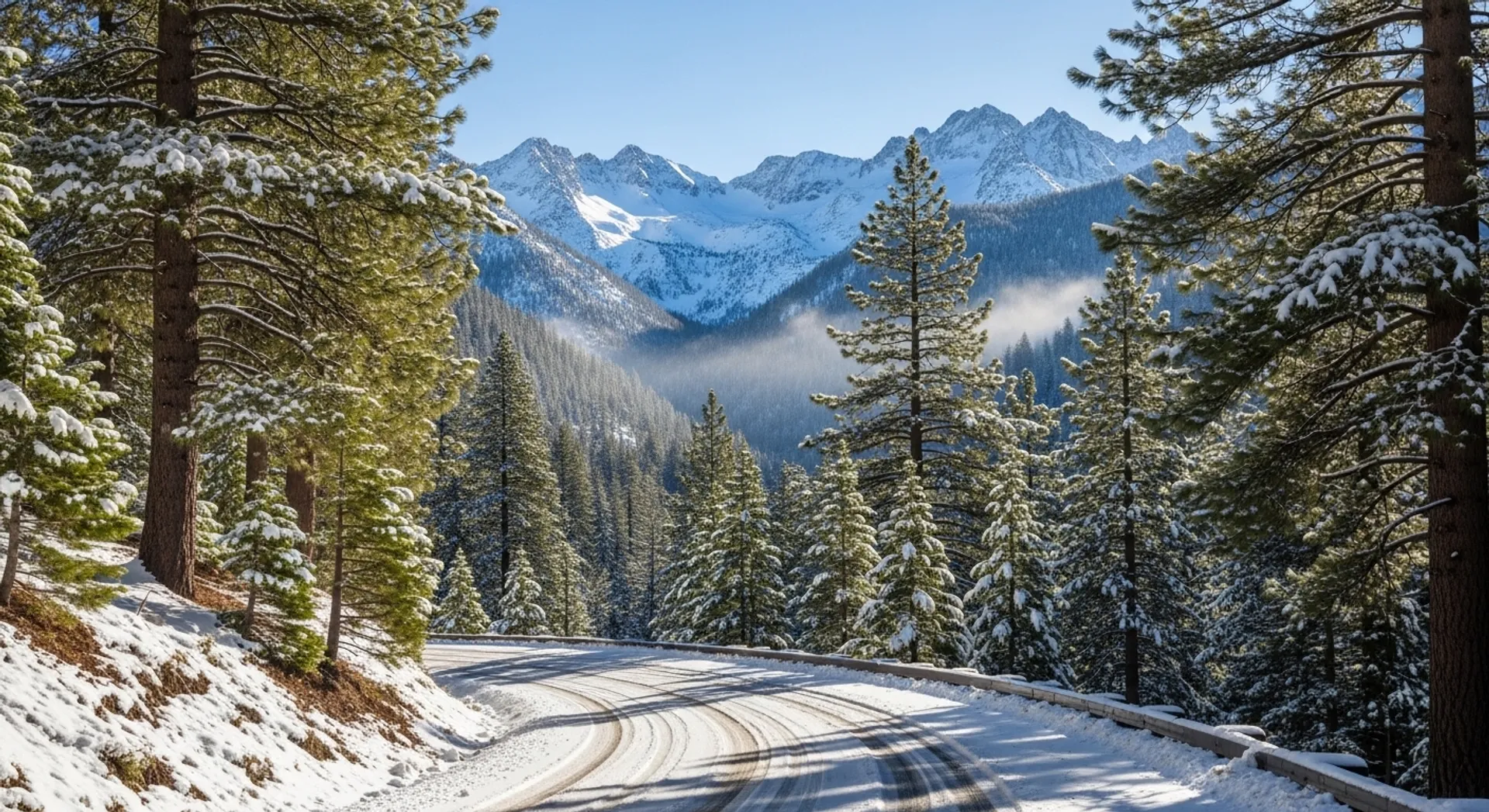
Winter in Alpine County can be incredible, but it is one of the easiest times of year to get a trip wrong. People see fresh snow, open meadows, and beautiful mountain roads online, then assume the day will work itself out once they arrive. That is usually where the problems start. In Alpine County, winter travel rewards people who plan ahead, respect parking rules, check closures, and understand that mountain access changes the experience completely. If you want a snow day that feels scenic instead of stressful, this is the part that matters most. Alpine County’s official visitor site actively promotes winter recreation, while the county’s road department and State Parks permit system make it clear that winter access comes with specific rules and limits.
This topic is especially relevant in 2026 because Alpine County has been dealing with the real-world impact of heavy winter visitation. Recent reporting described crowding, illegal shoulder parking, trespassing, litter, and unsafe snow-play behavior when designated winter parking areas fill up. That makes a “travel the right way” guide more useful than another generic snow-destination roundup. Readers do not just need pretty ideas. They need practical guidance that helps them enjoy Alpine County without creating problems for themselves or the community.
Why winter travel in Alpine County is different
Alpine County is not a one-size-fits-all snow destination. Winter access shifts how the county functions. The official Alpine County road department says Highway 4 over Ebbetts Pass and Monitor Pass close for winter, and the chamber’s Alpine County overview notes that winter access to Markleeville is from the north via Highways 88 and 89 because of those seasonal closures. That alone changes how people should plan their routes, timing, and expectations. You are not navigating a fully open summer road network. You are entering a mountain county with limited seasonal access points and weather-driven constraints.
That is also why readers should stop treating winter trips here like spontaneous city-day escapes. The scenery may feel open, but the logistics are not casual. A route that looks simple on a map can turn into a longer drive, a closed access point, or a parking problem if the visitor has not checked official information first. The better mindset is simple: winter in Alpine County is rewarding because it is real mountain travel, not because it is effortless.
Know the Sno-Park rules before you go
One of the most important details is also one of the most ignored. California State Parks says a Sno-Park permit is required for each vehicle parked at a Sno-Park site from November 1 through May 30 each year. The current pricing is $15 for a day permit and $40 for a season permit. The Forest Service page for Hope Valley repeats those same permit dates and prices and specifically directs visitors to the California State Parks Sno-Park system.
That matters because many winter visitors still show up assuming snow means “park anywhere near it.” That is exactly the wrong approach. Sno-Parks exist to provide snow-cleared parking, restroom access, and direct entry to winter recreation areas. The official Eldorado National Forest Sno-Park explanation describes them as parking areas designed for cross-country ski trails, snowmobile routes, and snow-play access. In other words, they are the system you are supposed to use, not a backup plan after roadside parking fails.
Why Hope Valley is one of the key winter areas
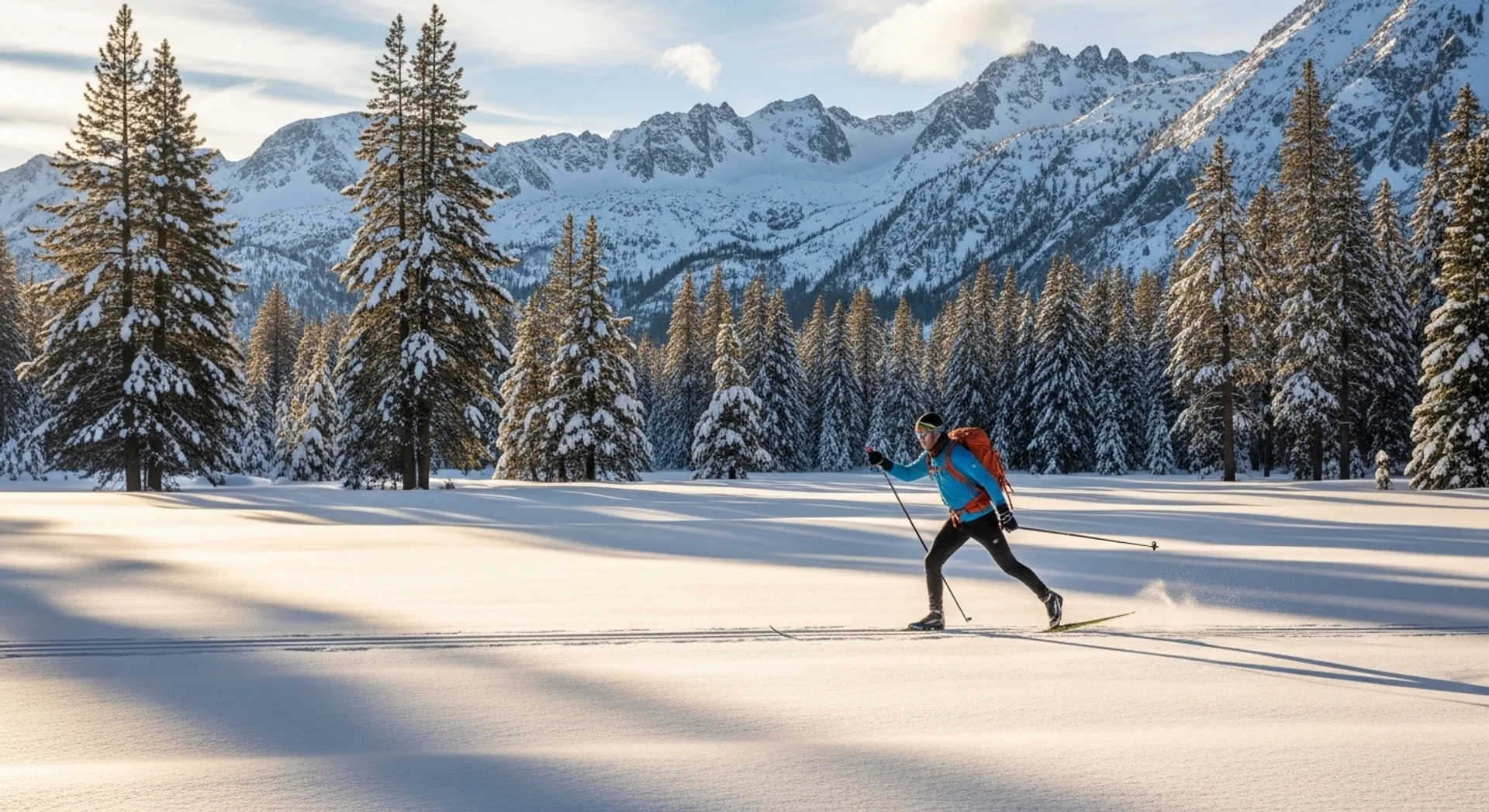
Hope Valley is one of the clearest examples of how winter recreation in Alpine County should work. The official Hope Valley Sno-Park page identifies the site on the south side of Highway 88 at Blue Lakes Road and lists recommended winter activities including cross-country skiing, dog sledding, and snowmobiling. The Forest Service also confirms that the Hope Valley trailhead requires a Sno-Park pass in winter and notes winter restrictions such as no campfires and a three-day dispersed camping maximum stay from November 1 to May 31.
That gives your readers something useful: a named winter destination with real structure. They are not just “going to the snow.” They are going to an official winter recreation area with known rules, activities, and permit requirements. That is exactly the kind of distinction that prevents bad decisions later in the day. It also gives you a natural internal link to your Hope Valley guide, which can handle more of the place-based storytelling while this article stays focused on winter logistics and behavior.
Road closures change more than just your route
Winter road closures are not just a navigation issue. They affect trip shape, timing, and what parts of Alpine County are realistic for the day. The county road department says Highway 4 over Ebbetts Pass and Monitor Pass close for winter and points travelers to official state road-condition resources for updates. The chamber also notes the practical result: winter access to Markleeville is only from the north via Highways 88 and 89. That means readers planning a hot springs weekend, a Markleeville stop, or a winter drive need to build around the actual winter map, not the summer one in their head.
This is where a lot of winter content fails. It sells the idea of snow without explaining how the county actually functions in snow season. Your post should do the opposite. Make readers feel better prepared, not just more excited. That is how useful travel content earns trust.
How to do a winter day in Alpine County the right way
The best Alpine County winter days are usually the ones that stay simple. Pick one main zone. Check conditions before leaving. Buy or verify your permit. Arrive earlier than you think you need to. Park only in designated or clearly legal areas. Then let the day revolve around one main experience instead of trying to bounce across multiple snowy stops. That approach works better in mountain counties because parking, weather, and road conditions can change quickly even when the photos online look calm.
For some readers, that may mean basing the whole day around Hope Valley. For others, it may mean staying closer to the Kirkwood corridor or building a winter trip around a slower Alpine County weekend with recovery time and indoor breaks. Either way, the core advice stays the same: one solid plan beats five weak ones in winter.
Snow-play etiquette matters more than people think
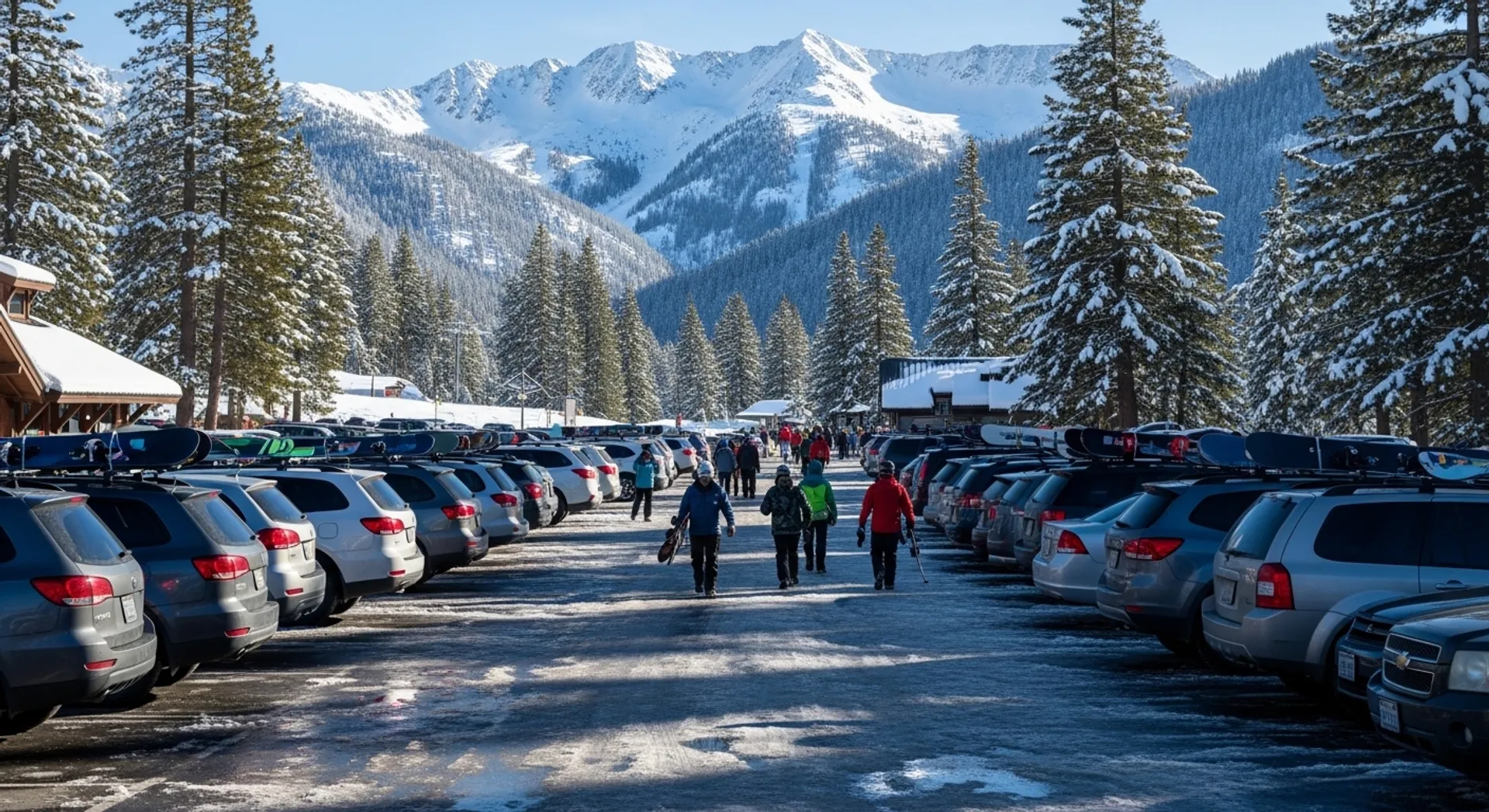
It should not need repeating, but clearly it does. Recent reporting on Alpine County’s winter crowding described visitors parking on highway shoulders, trespassing onto county and private property, leaving broken sleds and trash behind, and creating safety problems when official parking filled up. This is exactly why a responsible winter travel post belongs on your site. The issue is not that people want to enjoy snow. The issue is that too many visitors act like any open white patch next to a road is an informal recreation area. It is not.
So be direct in the article. Do not park illegally. Do not block shoulders or narrow access areas. Do not sled in random unsafe clearings near traffic. Do not trespass. Do not leave trash. Do not assume a rural county has the capacity to absorb careless behavior without consequences. A lot of travel writing avoids saying this clearly because it wants to stay “friendly.” That is a mistake. Good travel content protects the place as well as the traveler.
Smart packing and planning tips
- Check official road and weather conditions before departure.
- Bring layers, waterproof footwear, food, and extra water.
- Carry your Sno-Park permit if you will park at a designated winter site.
- Download directions in advance in case signal is weak.
- Arrive early on weekends and busy snow days.
- Keep your plan realistic and centered on one main area.
- Pack out all trash and leave the area cleaner than you found it.
Why this post works for SEO
From an SEO perspective, this is a strong topic because it combines seasonal intent with practical problem-solving. Readers searching for winter travel in Alpine County are often looking for more than inspiration. They want to know where they can go, what permits they need, which roads are closed, and how to avoid a wasted trip. That gives this article strong utility value. It also creates clean internal-link paths to your scenic-drive, Hope Valley, Bear Valley/Lake Alpine, and Markleeville content. A useful winter travel post can act as both a standalone seasonal guide and a gateway into the rest of your Alpine County site.
Official resource to include
For the outbound authority link, send readers to the California State Parks Sno-Park permit page. It is the clearest official source for permit dates, pricing, and basic program rules. For winter road updates, readers should also check Alpine County and state road-condition resources before leaving.
Final thoughts
Alpine County can deliver a great winter day, but only if visitors approach it with some discipline. The county’s winter appeal is real: snowy meadows, mountain roads, designated recreation areas, and a quieter Sierra atmosphere than many bigger-name destinations. But those strengths only hold up when people use the right parking areas, respect closures, and stop treating the county like an unregulated snow playground. Alpine County is better in winter when travelers act like guests, not opportunists.
If you want your site to feel useful instead of generic, this is exactly the kind of article to publish. It helps readers enjoy the season, reduces avoidable mistakes, and shows that your content understands how Alpine County actually works in winter. That is the kind of post people remember because it saves them from a bad day before it starts.