
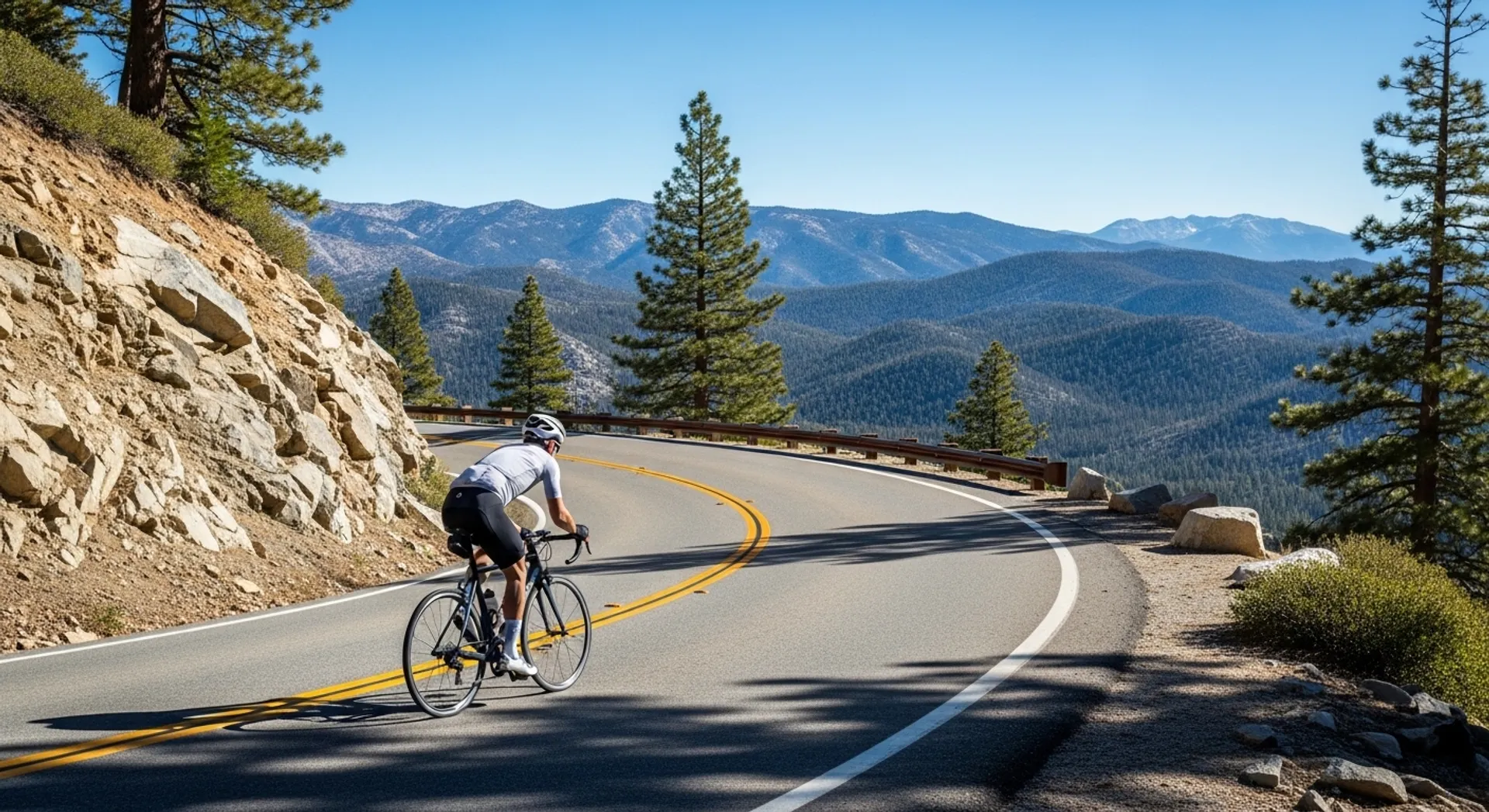
Alpine County has no shortage of scenic roads, but when cyclists talk about the county with real respect, one event usually rises to the top: Death Ride. It is one of those names that instantly tells riders this is not a casual spin. It is a big-day effort, a mountain challenge, and for many riders, a bucket-list experience. That is exactly why Death Ride 2026 deserves its own dedicated guide on your site. It gives you a timely event post, a cycling-focused article, and a strong way to connect Alpine County’s identity with serious mountain-road riding.
The official event positioning already does a lot of the heavy lifting. Death Ride is not marketed like an ordinary fondo. It is framed as a legendary California Alps challenge with major elevation gain, multiple alpine passes, and a route that rewards preparation as much as raw fitness. For readers, that creates strong search intent. People looking up Death Ride are rarely just browsing. They are usually evaluating whether to register, how to prepare, where to stay, or how to make the most of being in Alpine County before and after the event.
Why Death Ride matters to Alpine County
Some events happen in a place. Others help define how people think about a place. Death Ride does the second. It connects Alpine County with endurance cycling in a way that feels authentic because the roads, elevation, and scenery all support the event naturally. This is not a made-up challenge designed to force drama into a mild landscape. The route is hard because the county is genuinely mountainous, high-elevation, and visually intense.
That makes this article useful beyond the event itself. Even readers who are not signing up will still understand something important about Alpine County from this post: the region is built for scenic, demanding, memorable riding. That gives you a bridge into other cycling and road-trip content, including your Ebbetts Pass Scenic Byway guide, your Hope Valley guide, and your Markleeville and Grover Hot Springs weekend guide.
What riders should know about the 2026 event
The official Death Ride site positions the 2026 edition as the 45th Anniversary, scheduled for July 11, 2026. Riders are taking on a course advertised at 103 miles with over 14,000 feet of climbing and up to six major alpine climbs. The route starts and finishes at Turtle Rock Park near Markleeville and includes both sides of Monitor Pass, both sides of Ebbetts Pass, and both sides of Pacific Grade. That is the core of the challenge, and it is exactly why the event has such a strong reputation among endurance cyclists.
Just as important, the official site makes clear that this is a ride, not a race. That matters for how you frame the article. The event is tough, but it is not only about maximum speed. It is also about pacing, preparation, mountain awareness, and finishing the day safely. For blog readers, that tone is better than hype. It gives them useful expectations instead of forcing everything into macho marketing language.
Why the course has such a strong reputation
The route is hard because it layers challenge instead of delivering one dramatic moment and then backing off. Riders do not just get one pass and one victory photo. They move through a sequence of long climbs, exposed sections, descents that require attention, and the cumulative fatigue that comes from spending hours at altitude. The event also benefits from what many riders want most: it takes place in scenery worth suffering for.
The combination of mountain passes and high-country roads is a big part of the appeal. Riders get a real sense of place. They are not simply looping around generic roads for mileage. They are crossing terrain that feels visually and physically memorable. That makes the event more than a fitness challenge. It becomes one of the strongest ways to experience Alpine County from the saddle.
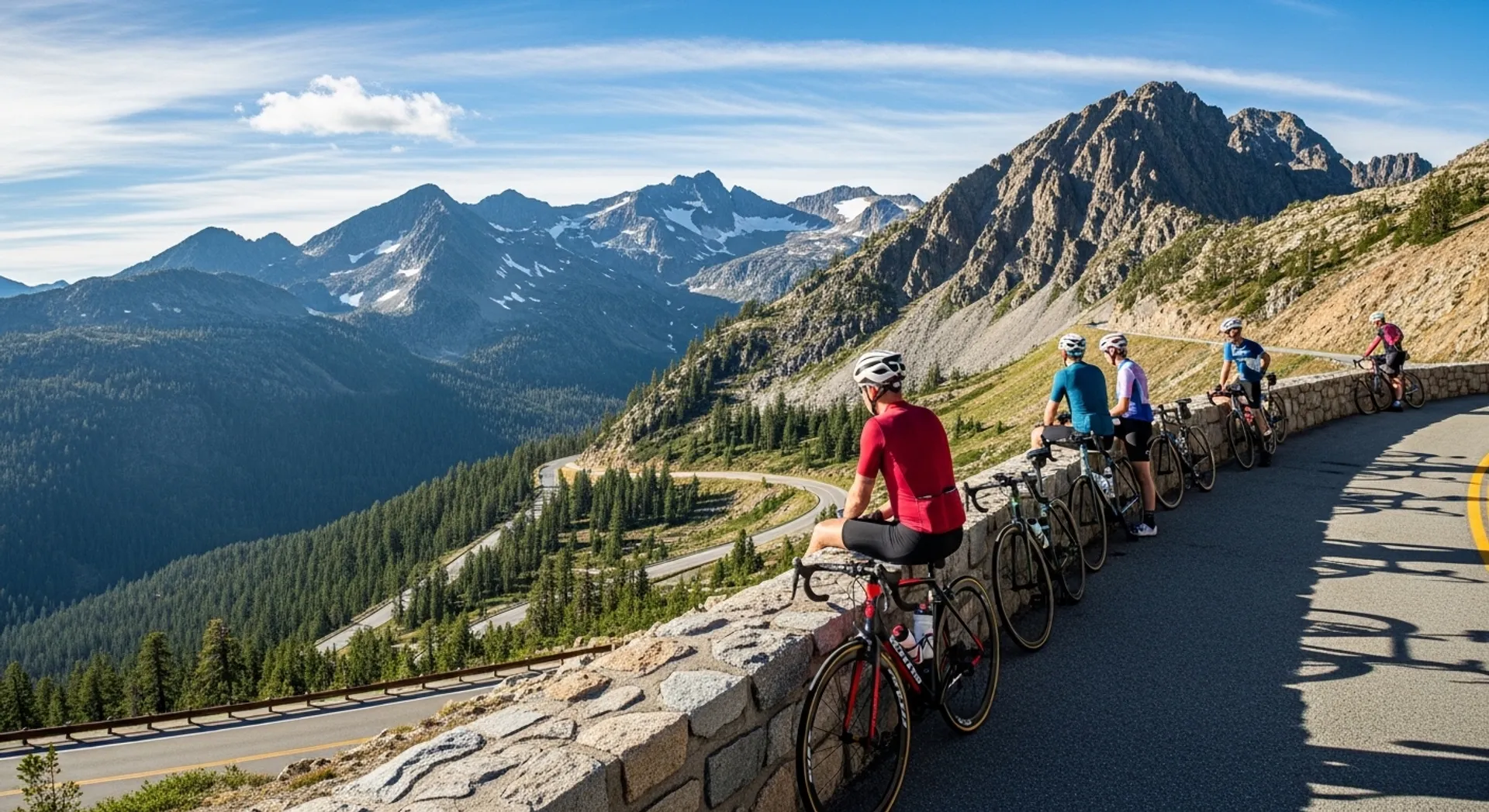
How to prepare without making rookie mistakes
Train for climbing, not just distance
A lot of riders fixate on total mileage because 103 miles sounds huge on its own. The bigger issue is the climbing load. A rider who can survive a flatter century may still struggle badly on a route like this if climbing preparation is weak. The better mindset is to train for repeat effort, long sustained climbs, and the ability to recover mentally after difficult segments.
Respect altitude and weather changes
Alpine County is the kind of place where a day can feel warm, cold, exposed, and windy at different points of the same route. Riders should not approach this like a predictable lowland event. Clothing layers, fueling choices, and pacing all need to account for changing mountain conditions. The strongest finishers are usually not just fit. They are adaptable.
Use support well
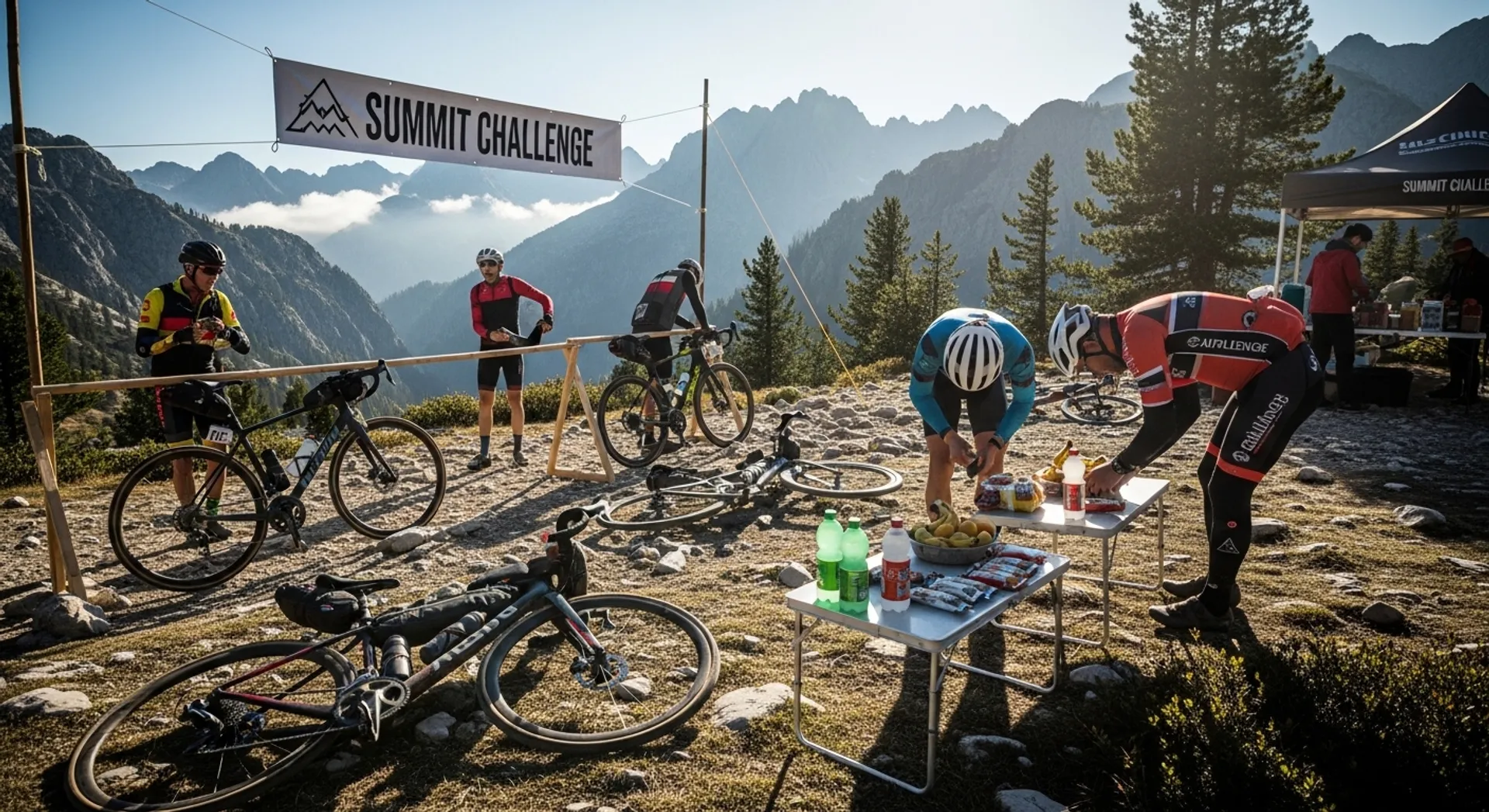
The official course page highlights a substantial supported setup with multiple rest stops and time cutoffs. Riders should treat that support as part of the strategy, not as an afterthought. Eat before you are desperate. Refill before you are empty. Reset before you are mentally flat. The event is too demanding to leave basic decisions until too late in the day.
Travel planning tips for riders coming into Alpine County
Good event performance starts before the first pedal stroke. Riders should think through lodging, check-in timing, parking, and morning logistics instead of assuming everything will work itself out. The course page notes that parking near Turtle Rock Park is limited, and the home page points riders toward lodging and expo resources. That means arriving with a plan matters, especially if the rider wants a calmer start to a very hard day.
This is also where your content can do extra work. A Death Ride article should not only help riders survive the event. It should help them use the trip as a reason to explore more of Alpine County. Someone traveling for the ride may also want a recovery day in Markleeville and Grover Hot Springs or a post-event scenic drive using your Ebbetts Pass guide. Internal links make that transition easy.
What spectators and families should know
Not everyone in the Death Ride orbit is there to ride all 103 miles. Some will be family members, friends, or support crew. The official event pages show that the finish area is more than a simple endpoint. There is an expo environment, food, music, massage, and a stronger overall event atmosphere than many first-time visitors may expect. That matters because it makes the trip more viable for people coming with non-riders.
If your site eventually grows more Alpine County event content, this is exactly the kind of detail that helps broaden the audience. It tells readers that the event is challenging for riders but still welcoming for the people around them.
How Death Ride fits into a larger Alpine County cycling story
One mistake destination blogs make is treating a flagship event like it exists in isolation. Death Ride should not sit alone on your site. It should act as the top of a small cycling cluster. From there, you can publish support content around scenic training roads, rider lodging ideas, recovery-day recommendations, and destination guides tied to the same mountain-road identity.
That is what makes this article more valuable than a basic event announcement. It gives your site authority around a high-interest topic and opens the door for broader cycling content. Alpine County’s chamber already supports that positioning by featuring cycling among its core recreation topics, so the fit is natural rather than forced.
Practical tips for event day
- Arrive earlier than you think you need to.
- Do not underfuel in the first half of the day.
- Use layers and plan for changing mountain conditions.
- Respect cutoffs and ride within your actual fitness level.
- Do not descend carelessly just because the road feels open.
- Build recovery time into the trip after the event.
Why this topic works for SEO
Death Ride has clear search demand, strong event recognition, and a natural tie to Alpine County. That gives this post a big advantage. It can attract readers who are already aware of the event, while also helping new readers discover the county through one of its most iconic endurance experiences. It also supports internal links into several other topic areas: scenic drives, mountain communities, recovery-day travel, and broader outdoor recreation.
For a fresh site, that is a strong combination. You get a timely event article, a cycling authority piece, and a gateway post that helps define Alpine County as more than a scenic backdrop. It becomes a place people actively travel to for meaningful challenge.
Official resource to include
For the outbound authority link, point readers to the official Death Ride website. It is the best source for registration, event updates, route details, and current rider information.
Final thoughts
Death Ride 2026 is not just another event on the calendar. It is one of the clearest expressions of what makes Alpine County special for cyclists: real mountain roads, genuine elevation, unforgettable scenery, and a challenge big enough to attract riders who want more than a casual weekend spin. That is why this post belongs in your core content stack.
Publish it as both an event guide and a cycling-positioning article, and it will do more than bring in event traffic. It will help define your site as a real Alpine County resource for riders, road-trip planners, and readers who want to understand why this region matters.