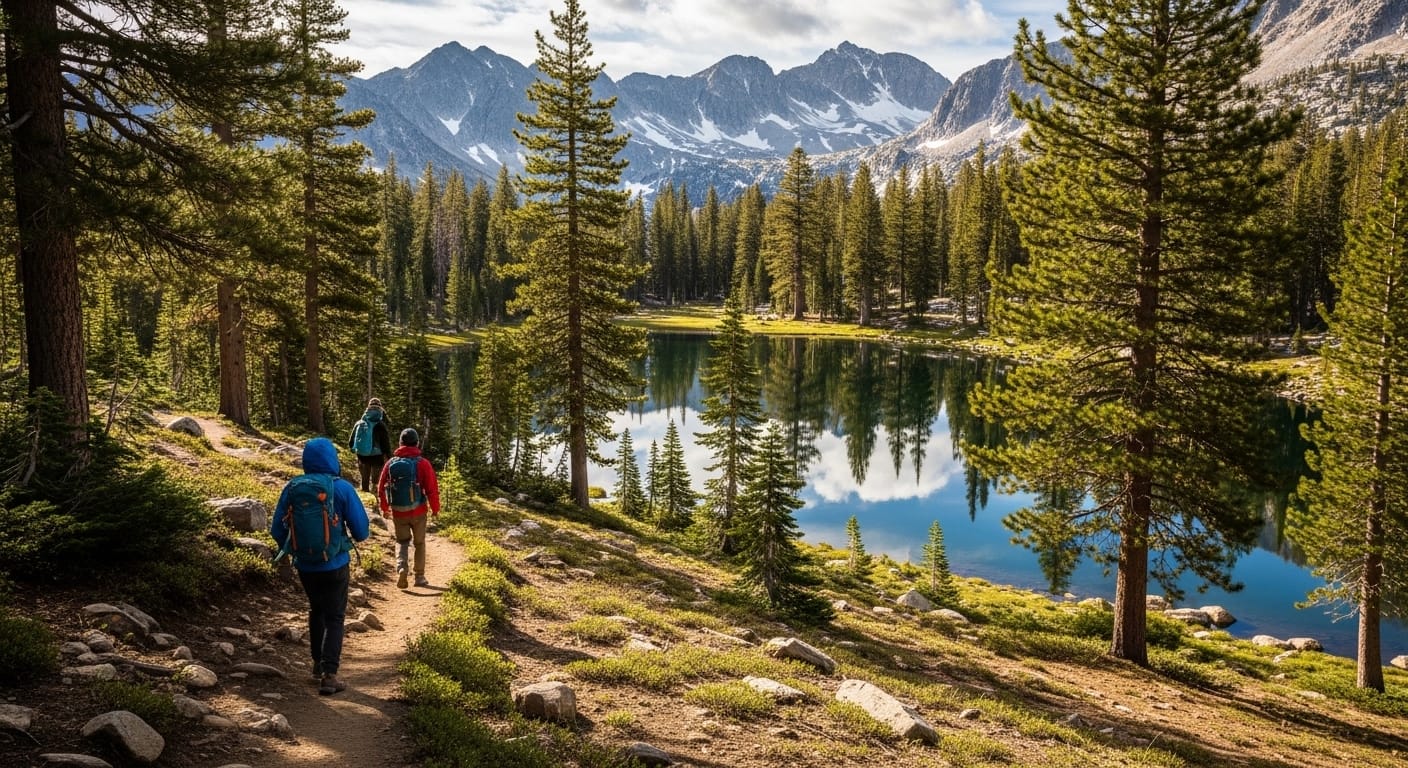
Alpine County outdoor recreation is becoming one of the most important travel topics for 2026. Visitors want mountain trails, scenic drives, fishing weekends, quiet communities, and access to the Sierra landscape. At the same time, local leaders want recreation to support communities without damaging the places people came to enjoy.
That balance matters in Alpine County. This is not a large city destination with endless parking, wide highways, and heavy visitor infrastructure. Alpine County works best when travelers plan with care. A better trip starts before the drive. It starts with checking road status, choosing realistic stops, respecting local communities, and understanding how outdoor recreation affects the region.
This guide connects well with your existing Alpine County content. Readers planning spring and summer trips can also visit your guides on Alpine County Fishing Opener 2026, Monitor Pass Spring Driving Guide 2026, and Ebbetts Pass Spring Reopening 2026. Those posts already show why timing, weather, and access matter here.
The next step is bigger than one road or one weekend. Visitors need to understand how their choices shape the future of Alpine County outdoor recreation. That includes trails, lakes, fishing areas, scenic routes, local businesses, public services, and the quiet character that makes this county different.
Why Sustainable Recreation Matters in Alpine County
Outdoor recreation brings real value to Alpine County. It supports travel interest, seasonal visits, small businesses, local events, and public awareness of the region. People come for fishing, hiking, cycling, skiing, scenic drives, camping, lake days, and peaceful mountain views. These activities help define the county’s identity.
But recreation also creates pressure. More visitors can mean more vehicles, more trash, more trail wear, more parking demand, and more stress on small communities. Even well-meaning travelers can cause problems when they arrive without a plan. That is why sustainable recreation is not just a buzzword. It is practical travel advice.
Alpine County and regional partners are now asking residents, visitors, and business owners to share feedback about outdoor recreation in the Eastern Sierra. The goal is to understand recreation patterns, community impacts, visitor needs, and future investment priorities. Readers can learn more through the official Alpine County outdoor recreation survey announcement.
The Survey Shows Recreation Is a Regional Priority
The Eastern Sierra is not trying to stop people from visiting. The better goal is to manage recreation in a smarter way. Alpine County, Mono County, and Inyo County all depend on outdoor access, but each area also faces limits. Mountain roads, small towns, public lands, seasonal weather, and emergency services all affect the visitor experience.
That is why feedback matters. Visitors may notice trailhead crowding, confusing signs, road condition questions, or limited services. Residents may notice traffic, litter, fire risk, or pressure near local neighborhoods. Business owners may see both the benefits and the challenges of seasonal demand.
Trails, lakes, roads, and small communities all share the same pressure
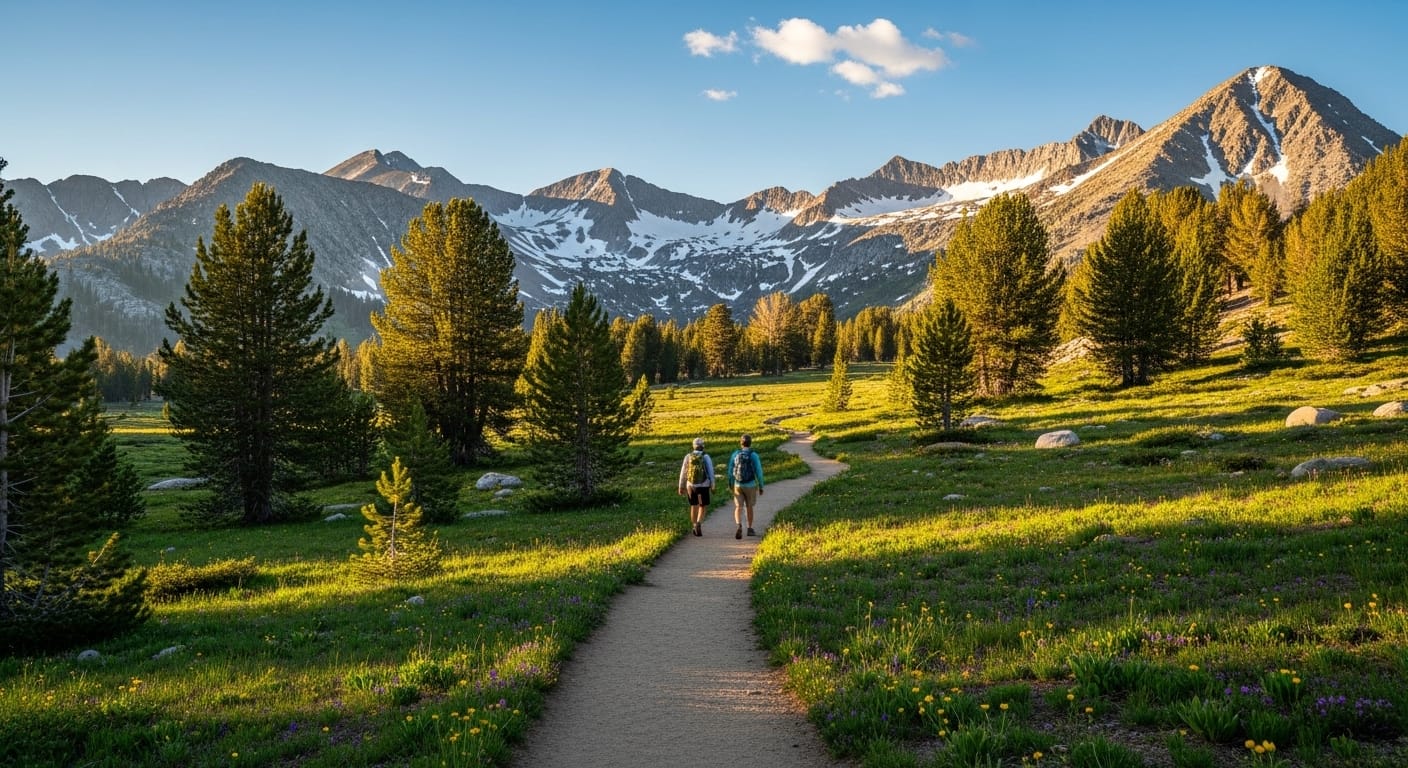
Alpine County is not only a scenic backdrop. It is a living mountain county with small communities and fragile landscapes. A crowded trailhead can affect nearby roads. A busy fishing weekend can affect parking and waste. A scenic drive can become stressful when travelers ignore closures or weather warnings.
That is why Alpine County outdoor recreation planning should include more than a list of pretty places. It should include timing, access, behavior, and backup options. A smart visitor checks conditions, respects posted rules, and avoids forcing a trip when the season does not support it.
Local input can shape better access and better visitor experiences
Good recreation planning should help both visitors and communities. Better signs can reduce confusion. Better trail information can spread use across more areas. Better road updates can prevent risky travel decisions. Better visitor education can reduce trash and resource damage.
Travelers should not see stewardship as a burden. It can actually improve the trip. A cleaner trail, safer road, quieter lake, and healthier forest make the experience better for everyone. That is the real value of sustainable recreation.
What Visitors Should Think About Before They Go
Many Alpine County trips fail because travelers plan like it is full summer when the county is still in a shoulder season. Snow can linger at higher elevations. Roads may open later than expected. Storms can change conditions fast. Some services may remain limited before peak season.
This is especially true for scenic drives and fishing weekends. Your existing posts about Monitor Pass and Ebbetts Pass already make that point clearly. A road can be beautiful and still require caution. A route can be famous and still be closed. A warm forecast in one town does not guarantee easy access everywhere.
Visitors should build their trip around confirmed information. They should check official road updates, weather reports, fishing rules, trail guidance, and local notices. They should also keep a backup plan. That way, the day can still feel successful even when one route or stop changes.
How to Visit Alpine County More Responsibly in 2026
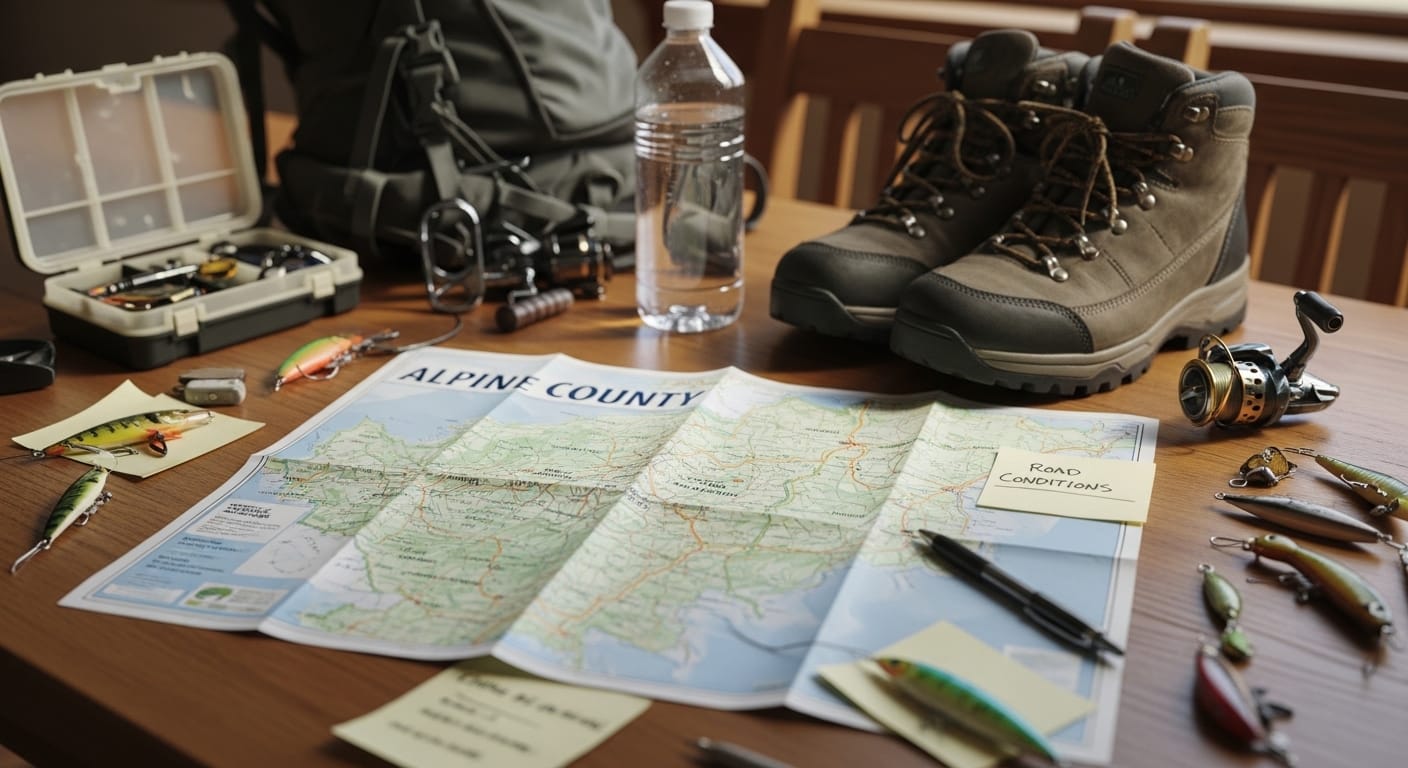
Responsible travel does not mean making the trip boring. It means making the trip smoother. In Alpine County, the best outdoor days often come from simple choices. Pick one main area. Start early. Pack out trash. Respect closures. Give yourself enough time. Avoid overloading the itinerary.
This approach works for families, anglers, hikers, cyclists, photographers, and road-trippers. It also helps mixed groups. One person may want a serious fishing day. Another may want a scenic picnic. Someone else may prefer a short walk and a relaxed stop in town. A flexible plan can serve everyone better than a rushed checklist.
Alpine County outdoor recreation also rewards slower travel. Instead of trying to see every pass, lake, and trail in one day, visitors should choose a tighter route. That makes the experience calmer and reduces unnecessary driving. It also gives travelers more time to notice the landscape.
A Practical Responsible Travel Plan for Alpine County
Start with the season. Spring, summer, fall, and winter all create different rules for travel. Spring may bring fishing interest and pass uncertainty. Summer may bring fuller access and more visitors. Fall may offer quieter scenery but shorter days. Winter may require snow travel planning and extra caution.
Next, choose the right base. Markleeville, Woodfords, Bear Valley, Lake Alpine, Kirkwood, and Hope Valley each support different trip styles. A fishing weekend may not need the same plan as a cycling day or a scenic drive. Match the destination to the activity instead of copying someone else’s itinerary.
Start with confirmed conditions, not old photos
Old photos can mislead travelers. A road that looked clear last year may not be open today. A trail that looked dry in July may still hold snow in May. A lake that looked quiet on a weekday may feel different during a busy weekend.
Use current information before leaving. Check road status, weather, local updates, and activity-specific rules. If the plan depends on a high-elevation route, confirm the route before building the entire day around it. This is basic, but it prevents many bad trips.
Spend time in one area instead of rushing the whole county
Alpine County is best when visitors slow down. A rushed route can turn a scenic day into a windshield tour. It can also create stress when roads, parking, or weather do not cooperate. A focused plan works better.
For example, an angler can build the day around accessible water and add one relaxed stop. A hiker can choose one trail zone and avoid driving across the county. A road-tripper can pair one scenic route with one dependable community stop. This kind of planning supports a better visitor experience.
Visitors should also prepare for limited services. Bring water, snacks, layers, a full fuel tank, a charged phone, and basic safety gear. Pack out everything you bring in. Stay on durable surfaces. Follow fishing and fire rules. Respect private property and local neighborhoods.
The bottom line is simple. Alpine County outdoor recreation in 2026 should be more thoughtful, not more complicated. The county’s appeal comes from its mountains, roads, waters, communities, and quiet spaces. Those strengths need care.
Travelers who plan well get a better trip. Local communities get more respectful visitation. Public lands face less pressure. Future visitors get a stronger Alpine County experience. That is why sustainable recreation deserves a full place on your site now. It is timely, useful, and closely connected to every scenic drive, fishing guide, and seasonal travel post you publish next.