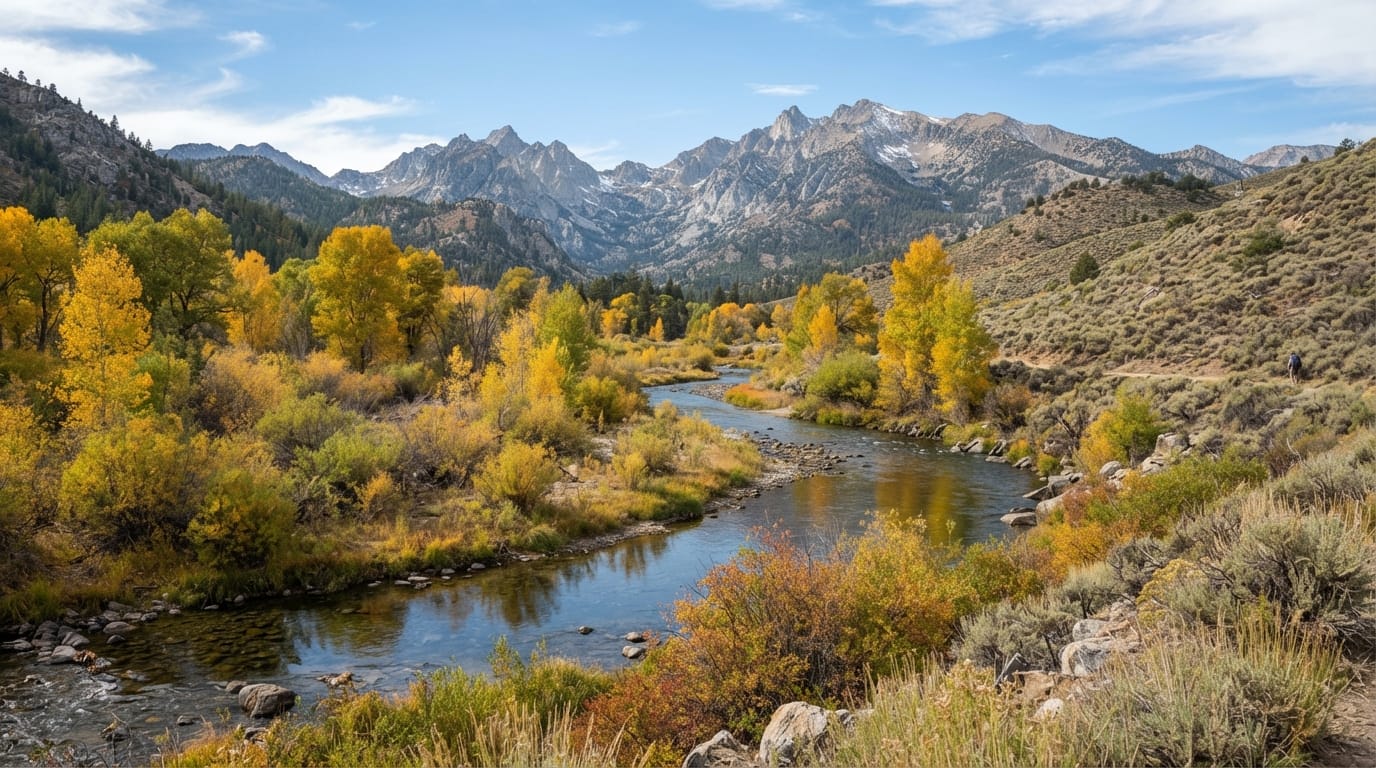
East Fork Carson River access is entering a new chapter in 2026 after Alpine County became the owner of the 1,688-acre Park Ranch near Markleeville.
The property includes 1.6 miles of the East Fork Carson River along with nearly three additional miles of Markleeville Creek, Pleasant Valley Creek, and Hot Springs Creek. The acquisition also protects meadows, forests, sagebrush habitat, native fish waters, and an important wildlife movement corridor.
For anglers, hikers, wildlife watchers, residents, and future visitors, the announcement is exciting. However, it is important not to treat the property as a newly opened recreation area yet.
Alpine County has said that a comprehensive management plan must be established before public access is fully introduced.
That makes 2026 a planning year as much as a recreation story. Park Ranch has the potential to expand public access near Markleeville while protecting the landscape that makes this part of Alpine County special.
What the Park Ranch Acquisition Means for East Fork Carson River Access
Western Rivers Conservancy acquired Park Ranch in phases beginning in 2025 and later transferred the property to Alpine County with funding from the California Wildlife Conservation Board.
The result is permanent public ownership of a large landscape along one of the Eastern Sierra’s most recognizable river systems.
The East Fork Carson is especially notable because it remains one of the major undammed rivers of the Eastern Sierra. The Park Ranch section lies close to Markleeville and connects river habitat, tributaries, mountain meadows, forest, and open sagebrush country.
This combination gives the acquisition importance beyond recreation alone.
The 1,688-Acre Property Protects River, Creeks, and Open Land
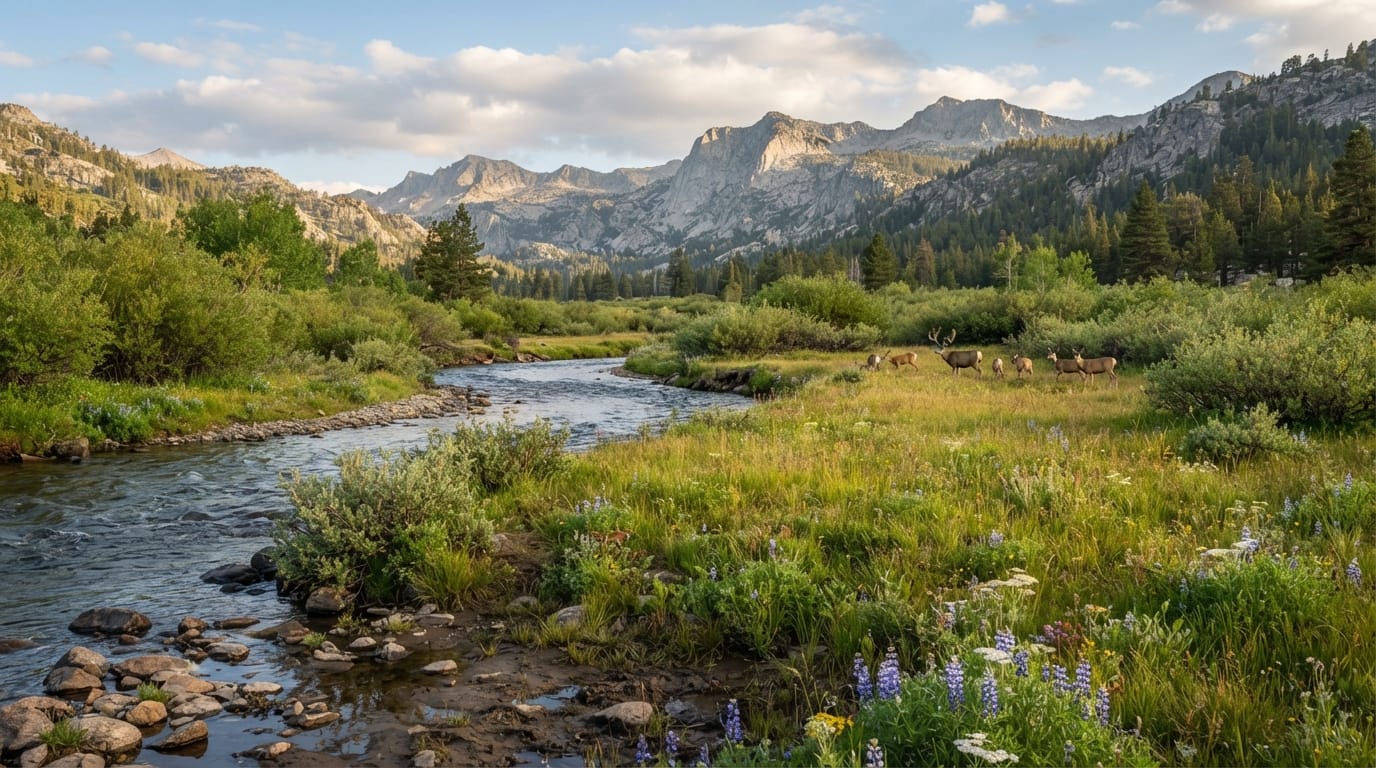
The most obvious feature is the 1.6-mile stretch of the East Fork Carson River.
Anglers already know the river for trout fishing, while whitewater visitors recognize portions of the East Fork for seasonal paddling opportunities. The new county property also includes sections of Markleeville Creek, Pleasant Valley Creek, and Hot Springs Creek.
Those smaller waterways are important because rivers do not function as isolated channels. Tributaries, meadows, riparian vegetation, and surrounding uplands all influence water quality and wildlife habitat.
The acquisition therefore protects a connected landscape rather than only a narrow strip beside the river.
Native Trout and Wildlife Habitat Are a Major Part of the Project
Park Ranch supports several native fish species, including federally threatened Lahontan cutthroat trout. Other species documented in the river system include mountain whitefish, Paiute sculpin, Tahoe sucker, mountain sucker, Lahontan redside shiner, and speckled dace.
The surrounding landscape matters to larger wildlife as well.
Cottonwood and willow areas provide riparian habitat, while mixed conifer forest, mountain meadows, and sagebrush-steppe support a broader range of animals.
The property also forms part of a migration corridor used by mule deer and other wildlife. Black bears, birds, pollinators, and other species move through the larger East Fork Carson landscape.
For visitors, this means future recreation should come with the same mindset encouraged in our Alpine County outdoor recreation guide: enjoy the landscape without treating access as permission to ignore habitat, wildlife, parking rules, or seasonal restrictions.
Wildfire Resilience Is Part of the Conservation Story
The Park Ranch acquisition also has a wildfire-management component.
Alpine County has said that compatible grazing may become part of long-term management. Managed grazing can help address some vegetation loads while keeping the land in open-space use.
That matters around Markleeville, where residents and visitors remain familiar with the effects of the 2021 Tamarack Fire.
Wildfire resilience does not come from one property or one treatment. It depends on vegetation management, community planning, defensible space, emergency preparation, forest work, weather conditions, and responsible visitor behavior.
Still, protecting a large landscape from incompatible development gives land managers more options for coordinating habitat conservation and fire-risk reduction over time.
Public Access Is Planned, but Visitors Should Wait for the Management Plan
The phrase “expanding public access” can easily create the impression that visitors may immediately drive onto Park Ranch, park beside the river, and begin exploring.
That is not what Alpine County has announced.
The county has specifically said it wants the public to enjoy the property once a comprehensive management plan is completed.
Until official access information is released, visitors should continue using established public recreation areas and legal access points.
Do not cross fences, create unofficial parking areas, enter signed private or restricted areas, or assume a new county acquisition means unrestricted access everywhere on the property.
Why the Management Plan Matters Before Recreation Expands
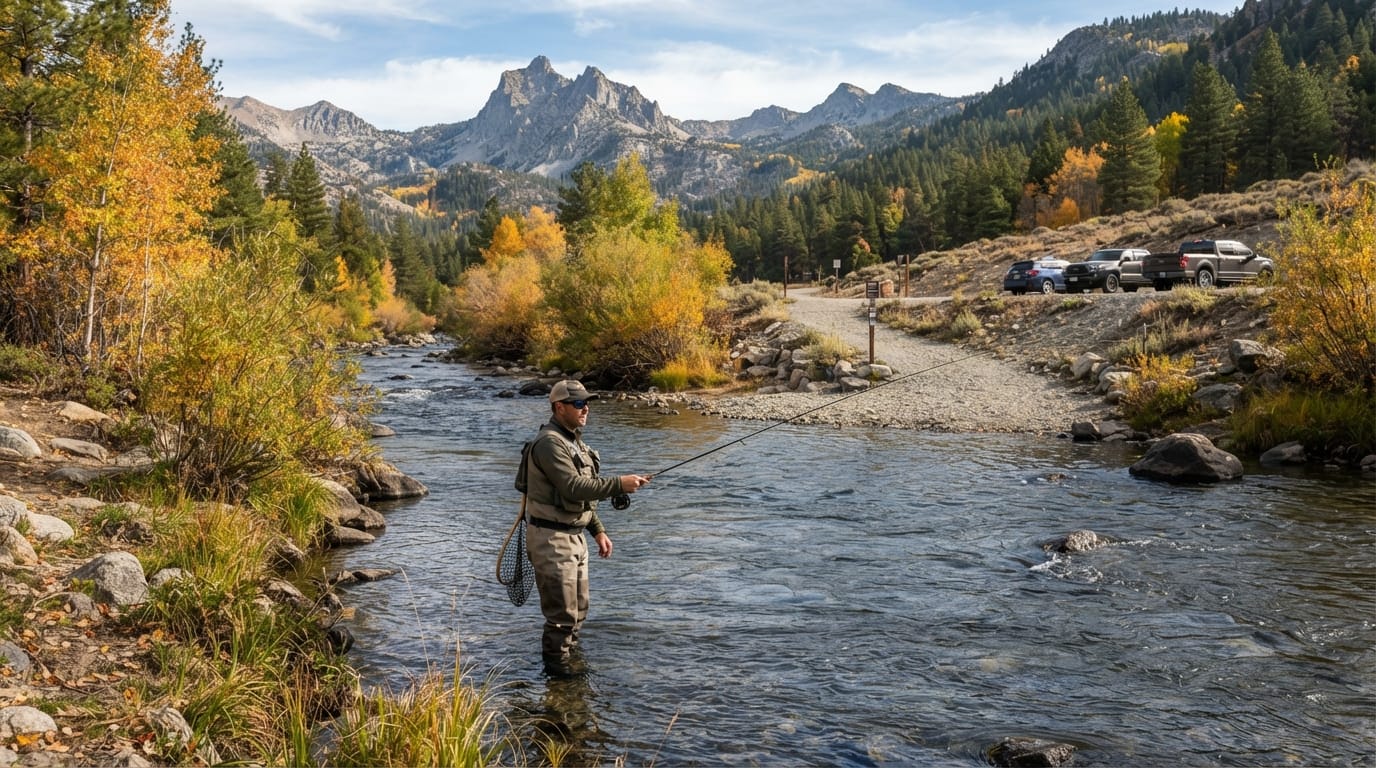
A management plan can answer practical questions that a land purchase alone does not resolve.
Where should people park? Which areas can support trails? Where could fishing access work without damaging sensitive banks? Will some wildlife areas need seasonal restrictions? How should trash, sanitation, emergency access, and fire safety be handled?
Those decisions matter in a small county where recreation growth can quickly affect roads, emergency services, natural resources, and nearby communities.
Visitors interested in this part of the county can already build a trip around established destinations. Our Markleeville and Grover Hot Springs weekend guide offers a good starting point while the Park Ranch access plan develops.
The best approach is patience. Future access will be more useful when it is designed around safe parking, habitat protection, clear boundaries, and sustainable visitor use.
How Park Ranch Could Shape Recreation Near Markleeville
Once a management plan is completed, Park Ranch could become an important addition to Alpine County’s outdoor recreation network.
The property sits close enough to Markleeville to complement existing fishing, hiking, hot springs, scenic driving, wildlife viewing, and community-based travel.
That does not mean the area needs to become a heavily developed attraction.
One of Alpine County’s strengths is its smaller scale. Recreation here often works best when visitors have enough access to enjoy the landscape without overwhelming the place they came to see.
Fishing and River Recreation Could Benefit From Better Planned Access
The East Fork Carson River is already a well-known fishing destination, and the newly protected stretch includes valuable trout habitat.
Future public access could give anglers additional ways to experience the river while also concentrating use at places that can handle it.
Well-designed access can be better for both visitors and habitat than informal trails and improvised parking.
For anglers planning a broader trip, our Alpine County fishing guide covers seasonal access, mountain conditions, and the importance of checking current regulations before heading to the water.
Fishing rules should always be verified with the California Department of Fish and Wildlife because regulations may vary by water, species, season, and specific river section.
Plan Around Current Access, Not Future Expectations
The best way to appreciate the Park Ranch announcement in 2026 is to view it as a long-term investment in Alpine County rather than a new attraction that must be visited immediately.
Public ownership protects the land now. Thoughtful recreation can follow once county officials establish where and how access should work.
In the meantime, travelers have many established ways to experience the East Fork Carson region and the Markleeville area.
Visitors can enjoy legal fishing access, scenic roads, Grover Hot Springs State Park, nearby trails, local businesses, and other public lands while following posted rules and current road conditions.
When Park Ranch eventually receives formal visitor infrastructure or access guidance, check the newest Alpine County information before arriving. Mountain access can change because of fire conditions, snow, road closures, habitat protection, maintenance, or seasonal management.
The acquisition is significant because it connects several Alpine County priorities at once.
It protects river habitat. It preserves open space. keeps a wildlife corridor intact. Creates the possibility of additional recreation. It also gives the county a role in managing a large landscape close to Markleeville for the long term.
East Fork Carson River access
That combination makes Park Ranch more than another parcel of public land.
It is an opportunity to decide what responsible East Fork Carson River access should look like before heavy visitor use develops.
If the management plan balances recreation with habitat protection, the project could give residents and visitors a better way to enjoy the river without losing the quiet, wildlife, clean water, and mountain character that make the area valuable in the first place.
For the official acquisition announcement and future county information, visit the Alpine County Park Ranch announcement.
For now, the most important travel advice is simple: celebrate the conservation milestone, continue using established legal access, and wait for Alpine County to announce how Park Ranch will open to the public.
That approach protects both visitors and the landscape while the next chapter of East Fork Carson River recreation takes shape.