
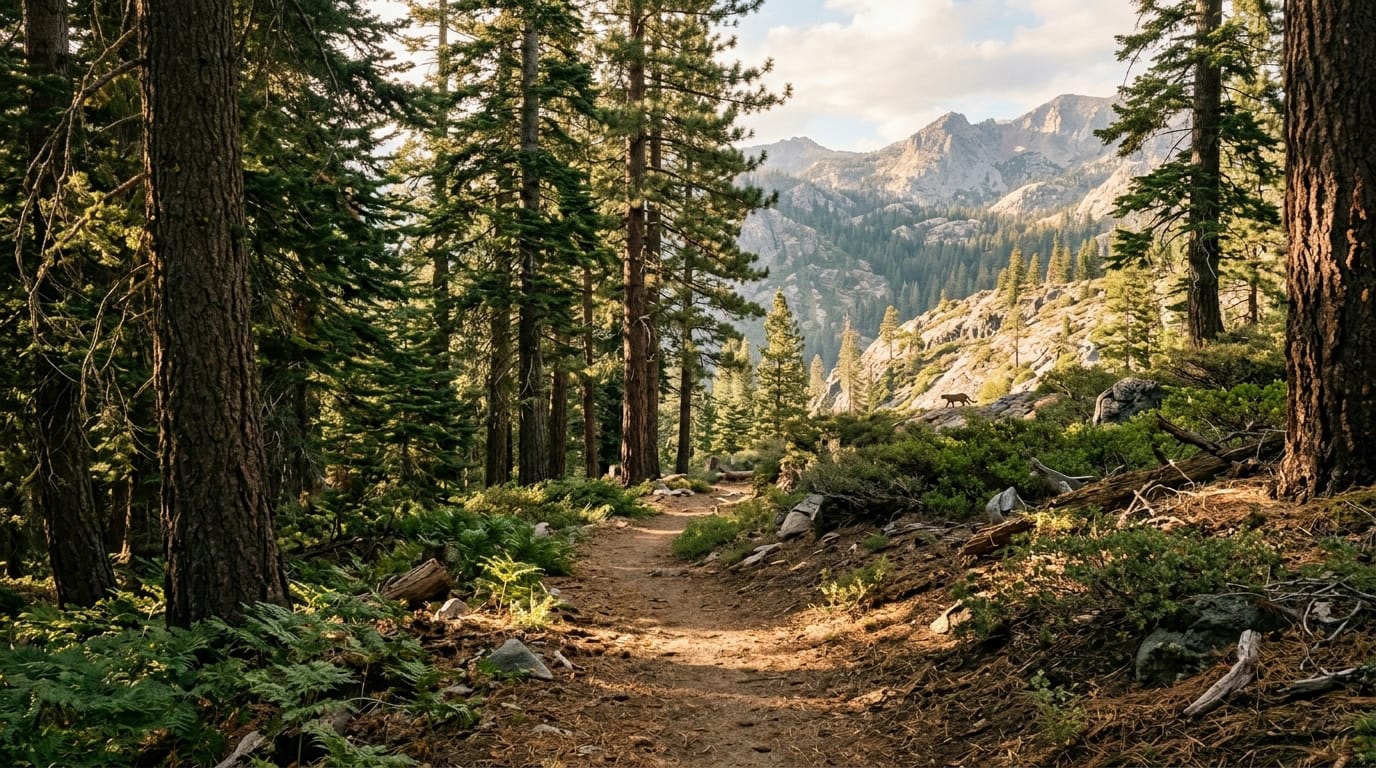
Alpine County mountain lion safety is an important travel topic in 2026 because more visitors are heading into mountain communities, scenic routes, forest trails, campgrounds, lake areas, and rural neighborhoods where wildlife is part of the landscape. Alpine County is beautiful because it feels wild, open, and quiet. That same natural setting means travelers should understand how to share the outdoors with animals that live there, including mountain lions.
Mountain lions are native to the Sierra Nevada and surrounding California mountain regions. Most people will never see one during a trip, and most encounters do not lead to injury. Still, recent local alerts have reminded residents and visitors that wildlife awareness should be part of every outdoor plan. Whether you are hiking near Hope Valley, staying around Markleeville or Woodfords, driving toward Lake Alpine, camping near forested areas, or bringing pets to a cabin, simple safety habits can make a real difference.
This guide is written for visitors, families, dog owners, cabin guests, hikers, anglers, cyclists, scenic drivers, and anyone planning time in Alpine County. It is not meant to create fear. It is meant to help people enjoy the mountains with better preparation, more respect for wildlife, and smarter decisions when conditions change.
Why Mountain Lion Safety Is Trending in Alpine County in 2026
Mountain lion safety is trending locally because Alpine County officials have urged increased vigilance after recent incidents involving mountain lions in Eastern Alpine County. For a rural mountain area, that kind of alert matters. It affects how people think about trail use, pets, livestock, home safety, evening walks, and outdoor recreation.
The important point is balance. Mountain lions are part of the natural ecosystem, but residents and visitors should not ignore concerning behavior. Seeing wildlife from a distance is different from a mountain lion remaining near homes, showing little fear of people, threatening pets, or behaving aggressively. Visitors should understand that Alpine County is not a city park. It is a mountain county with public lands, wildlife corridors, remote roads, and small communities surrounded by natural habitat.
This topic also fits naturally with other Alpine County travel planning guides. Visitors who care about safe outdoor habits should also read the site’s guide on Alpine County summer recreation etiquette 2026. That article covers parking, trailheads, trash, dogs, and respectful mountain travel. Mountain lion safety belongs in the same conversation because responsible recreation protects both visitors and wildlife.
Recent local alerts make wildlife awareness part of trip planning
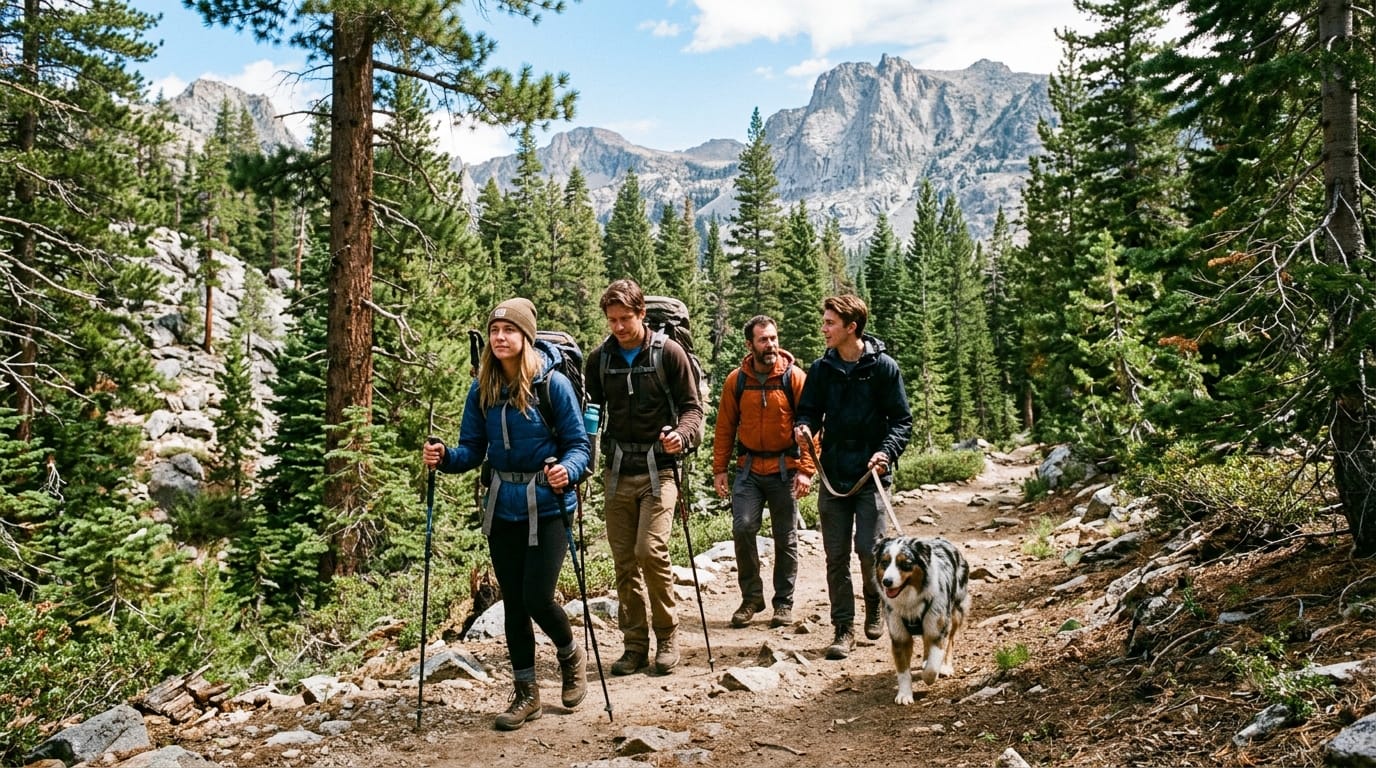
A good Alpine County trip should include more than lodging, scenic stops, and weather checks. In 2026, visitors should also think about wildlife activity. That is especially true for people traveling with children, dogs, outdoor cats, livestock, or food supplies. Wildlife awareness should be part of the same checklist as road conditions, air quality, wildfire restrictions, and trail access.
The California Department of Fish and Wildlife offers official guidance on reducing mountain lion conflicts. Its safety tips include avoiding hiking, biking, or jogging alone, especially at dawn, dusk, or night; keeping pets secure; removing dense vegetation near homes; installing outdoor lighting; and avoiding behavior that attracts prey animals. Visitors can review the official California Department of Fish and Wildlife mountain lion safety guidance before their trip.
For travelers, the lesson is simple. Do not wait until you are already at a remote trailhead or cabin to think about wildlife safety. Build it into the plan before arrival.
Mountain lions are native, but close encounters need respect
A mountain lion sighting does not automatically mean an emergency. These animals often avoid people and may pass through an area without conflict. However, visitors should never approach one, try to take a close photo, let children run toward it, or allow a dog to chase it. A calm response is always better than panic or curiosity.
If you encounter a mountain lion, do not run. Running may trigger a chase response. Stay calm, face the animal, make yourself appear larger, speak firmly, and slowly back away while giving the animal space to leave. Pick up small children if you can do so safely without crouching low or turning your back. If the animal behaves aggressively, be prepared to defend yourself using available objects.
Pet safety should be part of every cabin, campground, and trail plan
Pets can increase risk in mountain lion country because they may attract attention, wander into brush, or react unpredictably. Dog owners should keep dogs leashed and close, especially near trail edges, campsites, cabins, and dusk or dawn walking areas. Even friendly dogs can create problems if they run ahead or chase wildlife.
Visitors staying in cabins or vacation homes should secure pets indoors at night. Do not leave small pets outside, even for short periods. Close pet doors after dark, bring food bowls inside, secure trash, and avoid leaving anything outdoors that could attract deer, raccoons, or other animals. Attracting prey animals can indirectly attract predators.
Where visitors should be most alert
Mountain lion awareness matters across Alpine County, but some situations deserve extra attention. Be more alert near dense brush, forest edges, quiet trails, creek corridors, meadow edges, dusk walking routes, and places where deer activity is common. Mountain lions follow prey, and deer are a major food source. If an area has fresh deer activity, limited visibility, or heavy vegetation, stay aware.
Visitors should also pay attention around rural neighborhoods and cabins near open land. A mountain lion can move through residential edges, especially where natural habitat meets homes, sheds, barns, or pet areas. This does not mean people should avoid Alpine County. It means people should travel like they understand where they are.
For scenic drivers, this topic connects with routes like Ebbetts Pass, Lake Alpine, and forested pullouts. The site’s Ebbetts Pass scenic drive 2026 guide is a useful planning resource because it reminds travelers that mountain roads require slower speeds, condition checks, and attention to wildlife, cyclists, and changing conditions.
Dawn, dusk, and quiet trail time need extra attention
Dawn and dusk are beautiful times in Alpine County, but they also require extra awareness. Wildlife activity can increase during low-light hours, and visibility is not as strong. If you walk during these times, avoid going alone when possible. Keep children close. Keep pets leashed. Stay out of heavy brush. Make noise in a normal way so wildlife is not surprised by your presence.
Night walks with pets deserve special caution. Bring a flashlight, stay near developed areas, avoid brushy edges, and do not let dogs roam ahead. If something feels wrong, turn around. A shorter walk is better than pushing into a situation where you have poor visibility and limited control.
How to Plan a Safer Alpine County Visit in Mountain Lion Country
A safer visit starts with preparation. Before leaving home, check local updates, weather, road conditions, air quality, and official advisories. Alpine County’s mountain environment can change quickly, and a good visitor adapts instead of forcing a fixed itinerary.
This is similar to wildfire and smoke planning. Your site already has helpful resources like Alpine County wildfire readiness 2026 and Alpine County wildfire smoke travel guide 2026. Mountain lion safety should be treated the same way: not as a reason to cancel every plan, but as a reason to prepare better.
Visitors should choose trails and stops that match their group. A family with small children and a dog may prefer open, well-used areas over quiet brushy routes at dusk. A solo hiker may want to stick to daylight hours and let someone know the route. A cabin guest should inspect the property, secure pets, and avoid leaving food or trash outside.
Simple safety habits for hikers, families, cyclists, and dog owners
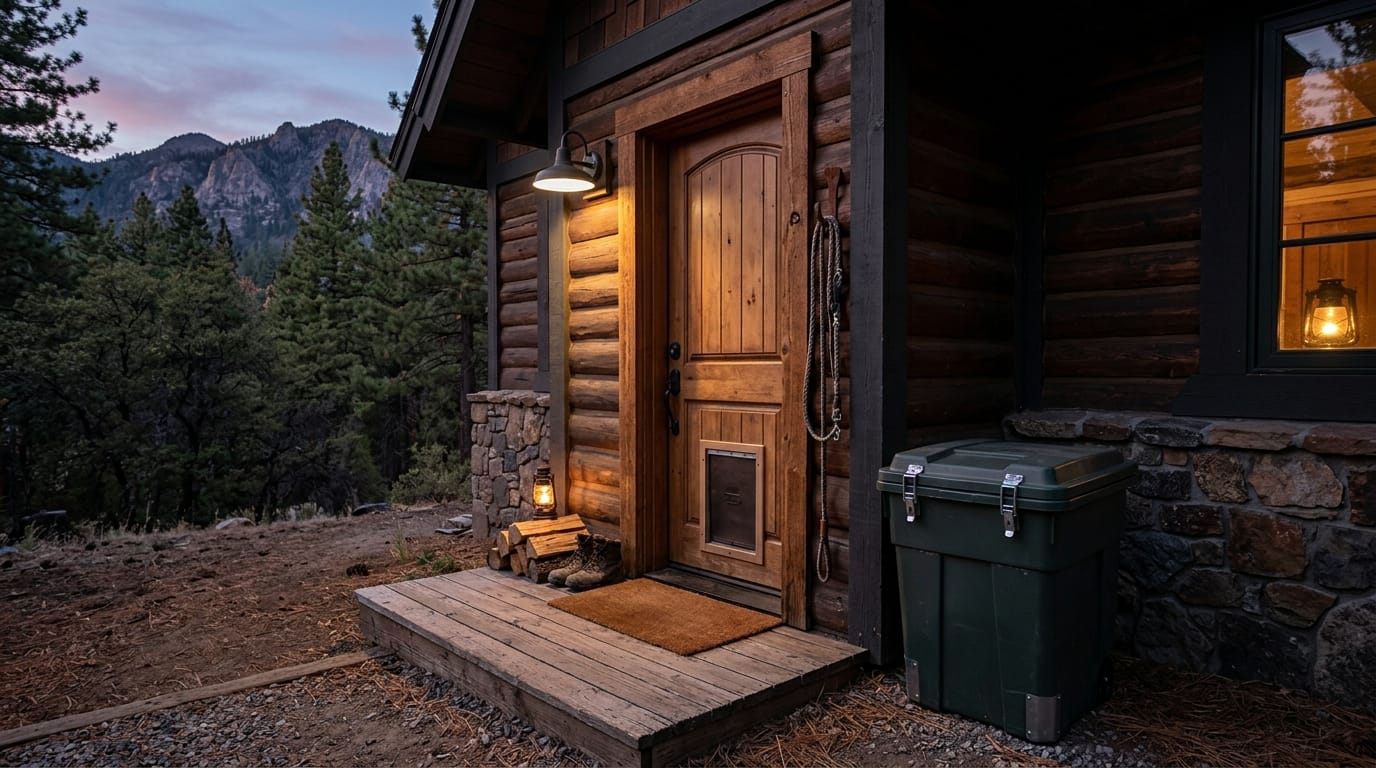
Hikers should travel in pairs or groups when possible, stay on established trails, keep children close, and avoid wearing headphones that block awareness. Families should teach children not to run ahead, approach wildlife, or scream and scatter if they see an animal. Calm, controlled behavior is safer.
Cyclists should be alert on quieter routes and trail areas, especially in low light. Fast movement can reduce reaction time. If you stop at a pullout, look around before walking into brush or letting pets out of the vehicle. Anglers and photographers should also pay attention because focusing on water, cameras, or scenery can make it easy to miss what is happening nearby.
Dog owners have a special responsibility. Keep dogs leashed where required and controlled even where leashes are not specifically posted. A dog running loose may chase wildlife, disturb other visitors, or attract predator attention. Good pet control is not just polite. In mountain lion country, it is practical safety.
Know when to report a sighting or concerning behavior
Not every wildlife sighting requires a report. However, visitors should report aggressive behavior, a mountain lion showing no fear of humans, an animal staying near homes or developed areas, attacks on pets or livestock, or any immediate threat to people. In an emergency, call 911.
If there is no immediate emergency but the behavior is concerning, contact the appropriate local authorities or the California Department of Fish and Wildlife. Clear information helps officials understand what happened. Note the location, time, behavior, direction of travel, nearby pets or livestock, and whether the animal appeared sick, injured, aggressive, or unusually comfortable around people.
Visitors planning a fuller Alpine County trip may also find the Hope Valley guide 2026 helpful. Hope Valley’s open meadows and scenic roads are a major part of the Alpine County experience, and the same mountain awareness applies there: respect wildlife, keep pets controlled, and plan around changing outdoor conditions.
Alpine County mountain lion safety in 2026 is really about respectful travel. The county’s forests, valleys, lakes, roads, and mountain communities are special because they remain close to nature. That closeness is exactly why visitors need to arrive prepared. Keep pets secure, hike with awareness, avoid risky low-light habits, never approach wildlife, and report concerning behavior when needed.
The mountains do not need to feel dangerous to deserve respect. With smart planning, visitors can still enjoy Alpine County’s trails, scenic drives, lake days, cabins, and small communities while reducing avoidable risk. That is the right mindset for outdoor recreation in 2026: enjoy the wild beauty, but do not forget that it is still wild.