
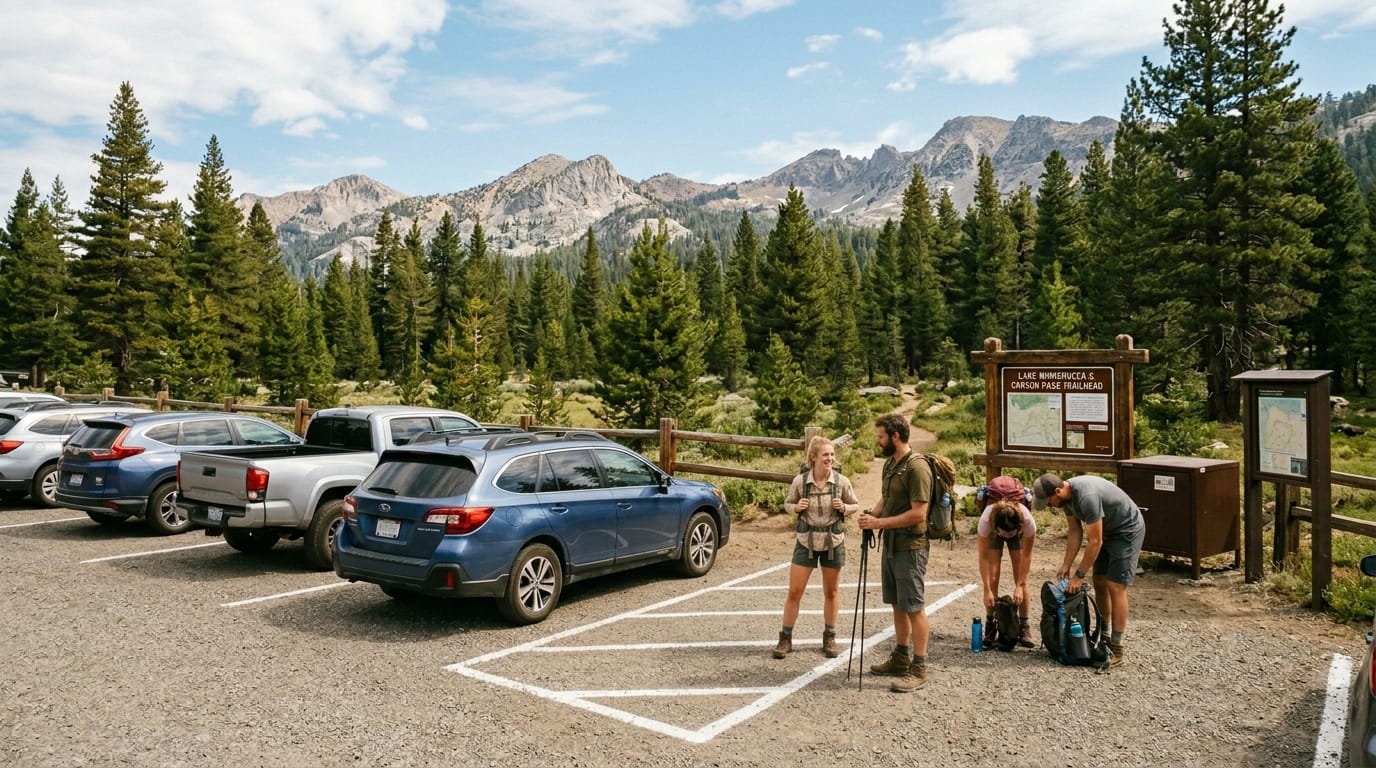
Alpine County summer recreation etiquette 2026 matters because small mountain places feel the impact of every visitor. A quiet lake, narrow road, scenic pass, fishing access point, or trailhead can become crowded fast when travelers arrive without a plan. Even well-meaning visitors can create problems when they park in unsafe places, leave trash, block roads, let dogs roam, or ignore changing conditions.
Summer in Alpine County brings hiking, fishing, camping, cycling, scenic drives, paddling, photography, picnics, and weekend escapes. These experiences are exactly why people love the area. However, the same popularity can pressure local roads, limited parking, public lands, wildlife, and nearby communities.
This guide explains how visitors can enjoy Alpine County while reducing harm. The goal is not to make recreation feel complicated. Instead, it is about simple habits that protect the Sierra experience for residents, visitors, and future trips.
Why Alpine County Summer Recreation Etiquette 2026 Matters
Alpine County is not built like a large resort city. Many places have narrow roads, small pullouts, limited services, seasonal access, and sensitive outdoor spaces. A parking mistake that seems minor in a big city can create a real problem on a mountain road.
Good etiquette also protects the quality of the trip. When people pack out trash, respect quiet areas, leash dogs, and avoid blocking access, everyone enjoys the landscape more. Trails stay cleaner, fishing areas feel calmer, and small communities deal with less avoidable stress.
The National Park Service explains the Leave No Trace Seven Principles as a framework for reducing outdoor impacts. These principles include planning ahead, traveling on durable surfaces, disposing of waste properly, respecting wildlife, and being considerate of others. Visitors can review the official NPS Leave No Trace Seven Principles for broader outdoor guidance.
Trailhead parking needs more patience
Trailhead parking can become one of the biggest summer issues. A full lot does not mean drivers should create new spaces along road edges, block gates, crowd driveways, or park on vegetation. In a mountain county, emergency access matters. Fire crews, road crews, residents, and other travelers may need those routes clear.
Visitors should arrive early, choose backup stops, and avoid forcing a plan when the first choice is full. A scenic drive can still be a good day. So can a shorter walk, a different fishing spot, or a later return.
This topic connects naturally with the site’s guide on Alpine County outdoor recreation in 2026. That article supports the same idea: great recreation depends on protecting the places people came to enjoy.
Do not block narrow roads or gates
Never park where your vehicle narrows the road, blocks a gate, covers signage, or prevents another vehicle from passing safely. Mountain roads may look quiet, but conditions can change quickly. A blocked gate or shoulder can delay emergency response.
If a parking area is full, move on. That choice may feel frustrating, but it protects the community and keeps access open. Responsible travel sometimes means changing the plan instead of squeezing into a bad spot.
Have a backup destination before you arrive
A backup plan makes etiquette easier. Before leaving, choose two or three possible stops instead of relying on one trailhead or lake access point. If the first area is crowded, you can adjust without stress.
This is especially useful during holiday weekends, fishing season, warm afternoons, or smoky days when visitors shift to lower-effort stops. For spring and early-summer planning, the guide to Alpine County fishing opener 2026 can help readers think about road checks, access timing, and realistic mountain travel.
Trash, food waste, and bathroom habits affect everyone
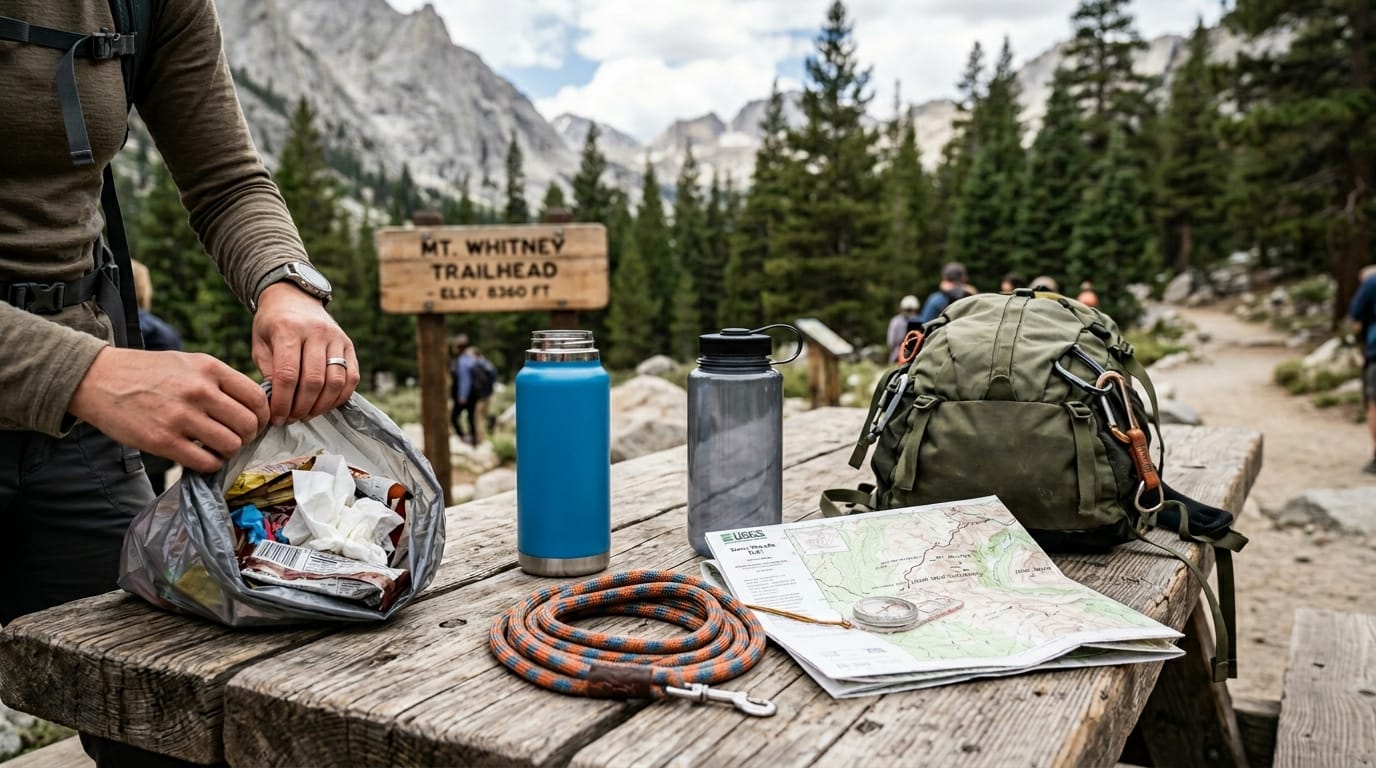
Trash is one of the clearest signs of poor recreation etiquette. A wrapper, bottle, fishing line, orange peel, dog waste bag, or broken gear item may look small by itself. However, many small items can quickly damage a shoreline, trail, pullout, or campsite.
Visitors should pack out everything they bring in. This includes food scraps. Even biodegradable items can attract wildlife, create odors, and make a place feel neglected. If a trash can is full, take the trash with you instead of stacking it beside the bin.
Bathroom planning matters too. Some trailheads and roadside stops may not have restrooms. Visitors should plan ahead, use facilities when available, and follow local rules for human waste disposal in remote areas.
Dog waste bags are not trail decorations
Bagging dog waste is only half the job. Leaving the bag beside a trail, sign, rock, or parking area still leaves waste behind. Other visitors should not have to see it, smell it, or carry it later.
If you bring a dog, bring enough bags and carry them out. Also keep dogs under control near wildlife, anglers, cyclists, families, and other dogs. A friendly dog can still disturb wildlife or scare someone who did not expect an off-leash greeting.
How Visitors Can Show Respect on Trails, Lakes, and Scenic Roads
Respectful mountain travel is not only about avoiding damage. It is also about sharing space well. Alpine County attracts different kinds of visitors. Some come for quiet photography. Others come for fishing, hiking, biking, family time, or scenic drives. These uses can work together when people slow down and pay attention.
Noise, crowding, careless driving, and poor trail behavior can change the mood of a place quickly. A quiet lake feels different when visitors leave music blasting. A scenic pullout becomes stressful when drivers stop in unsafe spots. A narrow trail becomes harder when groups spread across the full width.
Good etiquette keeps the experience enjoyable for more people. It also shows respect for residents who live with the traffic, cleanup, and emergency pressure long after weekend visitors leave.
Fishing, dogs, and shoreline use need extra care
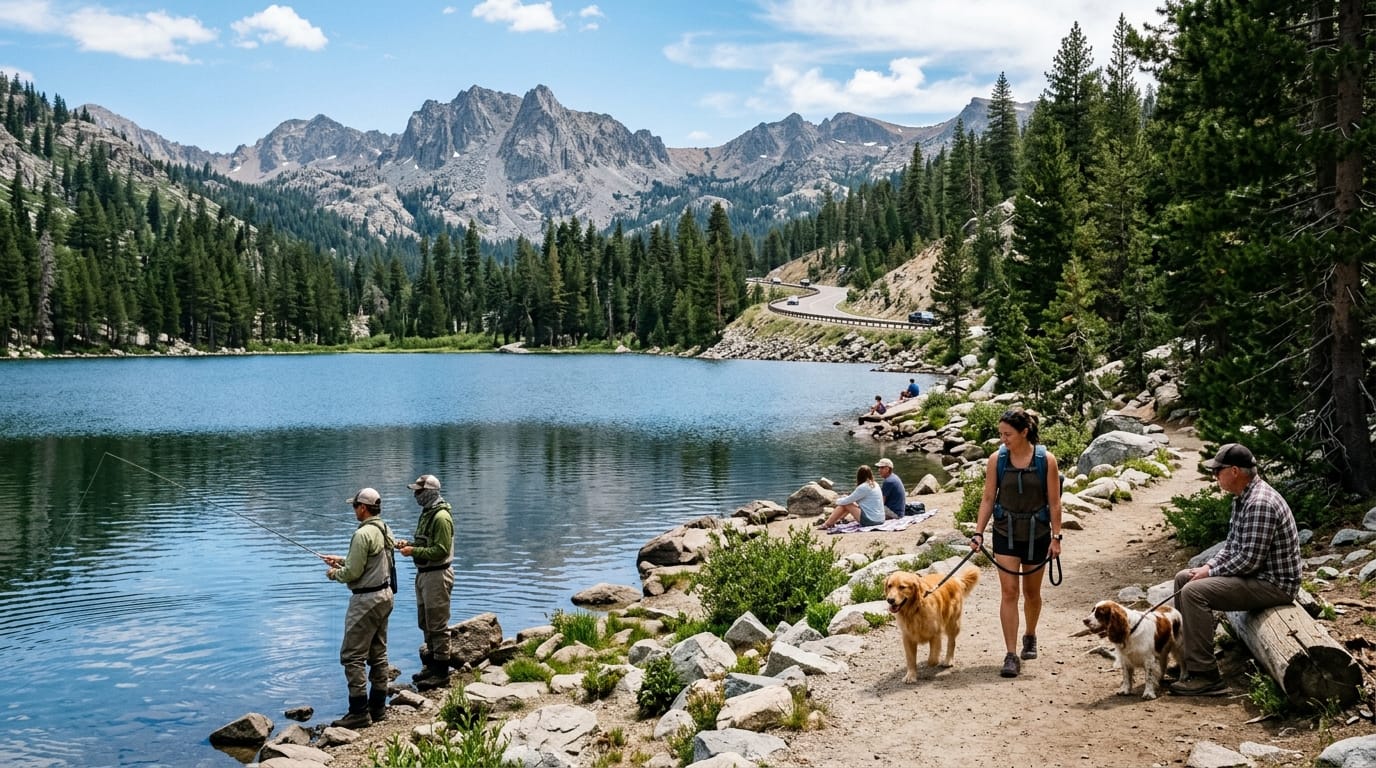
Fishing areas need shared-space etiquette. Anglers often choose a shoreline for quiet, focus, and enough room to cast. Hikers, families, and dog owners should avoid walking directly through someone’s fishing setup. Give people space when lines are in the water.
Dogs should stay away from active fishing lines, bait, hooks, and cleaned fish areas. A curious dog can get hurt or disturb someone else’s day. Families should also teach kids to watch for hooks, slippery rocks, and fragile shoreline areas.
If fishing is part of your trip, use the Alpine County guide on Alpine County fishing opener 2026 as a planning resource. It fits well with this etiquette topic because a better fishing day starts with access checks, patience, and respect for other users.
Quiet travel protects the mountain experience
Many people visit Alpine County for peace. Loud music, yelling across lakes, revving engines, and crowding quiet pullouts can change that experience for others. Sound carries differently in mountain settings.
Keep music low or use headphones where appropriate. Give wildlife room. Avoid drone use where restricted or disruptive. Also remember that scenic stops are shared spaces, not private party zones.
Scenic drives deserve the same respect. If you stop for photos, use safe pullouts and stay out of the travel lane. Roads like Monitor Pass and Ebbetts Pass reward slower travel, but they still require attention. The site’s guides on Monitor Pass spring driving and Ebbetts Pass spring reopening can support readers planning high-country routes.
Weather and smoke can also change recreation etiquette. When air quality gets worse, some visitors crowd the few clearer areas. Others switch from long hikes to shorter stops. That can increase pressure on easier access points. The article on Alpine County wildfire smoke travel helps readers plan safer and more flexible summer trips.
Fire awareness should stay part of summer etiquette too. Follow restrictions, avoid careless sparks, handle camp stoves safely, and never leave hot coals or ash behind. If you are staying at a cabin or helping with seasonal cleanup, the article on Alpine County spring cleanup 2026 offers useful fire-safe yard work context.
Visitors should also support local communities with patience. Small businesses may have limited staffing. Roads may have delays. Cell service may be weak. Restrooms may be limited. A respectful traveler expects mountain realities instead of treating them as inconveniences.
Alpine County summer recreation etiquette 2026 comes down to simple choices. Park only where it is safe. Pack out trash. Carry dog waste all the way out. Keep pets under control. Respect anglers and quiet users. Check conditions. Follow fire restrictions. Choose backup plans. Leave room for emergency access.
These habits may seem basic, but they protect the places that make Alpine County special. They also help visitors have better trips. A clean trailhead, quiet lake, open road, and respectful shoreline make the Sierra feel like the place people hoped to find.
For travelers, the message is direct: enjoy Alpine County, but do not treat it like it exists only for your weekend plans. It is a living mountain county with residents, wildlife, working roads, public lands, and fragile places. Respectful recreation keeps the experience stronger for everyone in 2026 and beyond.