
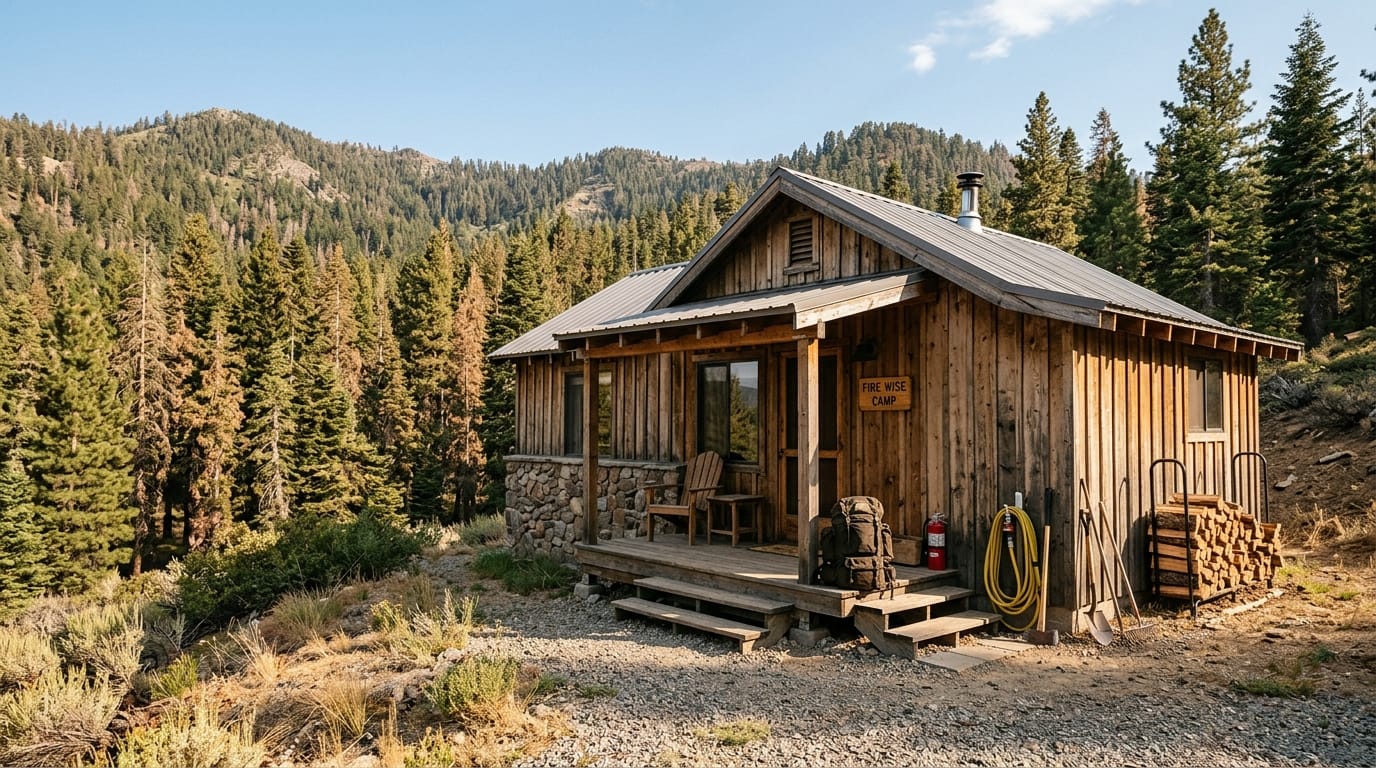
Alpine County wildfire readiness 2026 should be a serious priority for residents, cabin owners, second-home visitors, road trippers, anglers, hikers, cyclists, and anyone planning time in the Sierra. Wildfire season is not only a fire department issue. It affects travel plans, road access, air quality, home safety, outdoor recreation, pets, local businesses, and small mountain communities.
Alpine County is beautiful because it feels open, quiet, and close to nature. That same landscape also requires more planning. Forested roads, dry vegetation, remote homes, narrow highways, seasonal visitors, and limited local services can make wildfire conditions change quickly. A good trip or safe summer season starts before smoke appears on the horizon.
This guide explains how Alpine County wildfire readiness 2026 can help people prepare smarter. It covers defensible space, go bags, smoke planning, road checks, visitor behavior, and community-minded travel.
Why Alpine County Wildfire Readiness 2026 Matters
Wildfire readiness matters more when the mountain season changes early. A low snowpack, fast melt-off, warm spring, or dry vegetation can increase concern before the peak of summer. Even when no major fire is nearby, smoke from regional fires can affect visibility, breathing, scenic drives, hiking plans, and outdoor events.
In a mountain county, small choices can have big effects. A poorly maintained yard can add fuel near a structure. A careless campfire can create danger. A visitor who ignores road closures can slow emergency response. A traveler who forgets smoke conditions may arrive with kids, pets, or older relatives who should not spend the day outside.
Because of that, wildfire readiness should include both home preparation and travel planning. Residents need safer properties. Visitors need better awareness. Everyone benefits when fewer people create avoidable pressure during high-risk conditions.
Defensible space is the first practical step
Defensible space is the buffer between a structure and nearby grass, brush, trees, decks, sheds, firewood, and other fuels. CAL FIRE explains that this space can slow or stop wildfire spread and help protect homes from embers, flames, and heat. Readers can review CAL FIRE’s official defensible space guidance for more detail.
In Alpine County, defensible space should not be treated as a one-day chore. Snow, wind, pine needles, branches, leaves, and dry grass can change conditions throughout the season. A yard that looked clean in spring may need another check before summer heat, holiday weekends, or peak visitor traffic.
This topic connects naturally with the Alpine County article on Alpine County Spring Cleanup 2026. Spring cleanup is not only about making a property look better. It can also reduce fire risk around homes, roads, and community spaces.
Zone 0 deserves extra attention
The first five feet around a structure deserve special care because embers can collect near walls, decks, stairs, vents, and foundation edges. Dry leaves, pine needles, bark mulch, stored boxes, firewood, patio cushions, and old debris can create problems close to the home.
A safer approach is simple. Keep this area clean, easy to inspect, and free of obvious fuel. Use noncombustible materials where possible. Also check under decks, around propane areas, and near outbuildings before the dry season gets stronger.
Green waste planning prevents last-minute problems
Defensible space work creates piles of branches, needles, weeds, and yard debris. If that material sits too long near a home, driveway, fence, or road, it can become part of the problem. Clean work only helps when the waste gets handled correctly.
Plan green waste removal before the pile grows too large. Check local guidance, collection options, transfer station rules, and community cleanup opportunities. In a small mountain county, waiting until the last weekend before a trip or inspection can create unnecessary stress.
Go bags and family plans should be ready before smoke appears
A wildfire go bag is not only for people who live full-time in Alpine County. Cabin owners, long-stay visitors, campers, and seasonal workers should also think about what they would need if conditions changed quickly. Mountain roads can close, smoke can worsen, and power or communication problems can complicate travel.
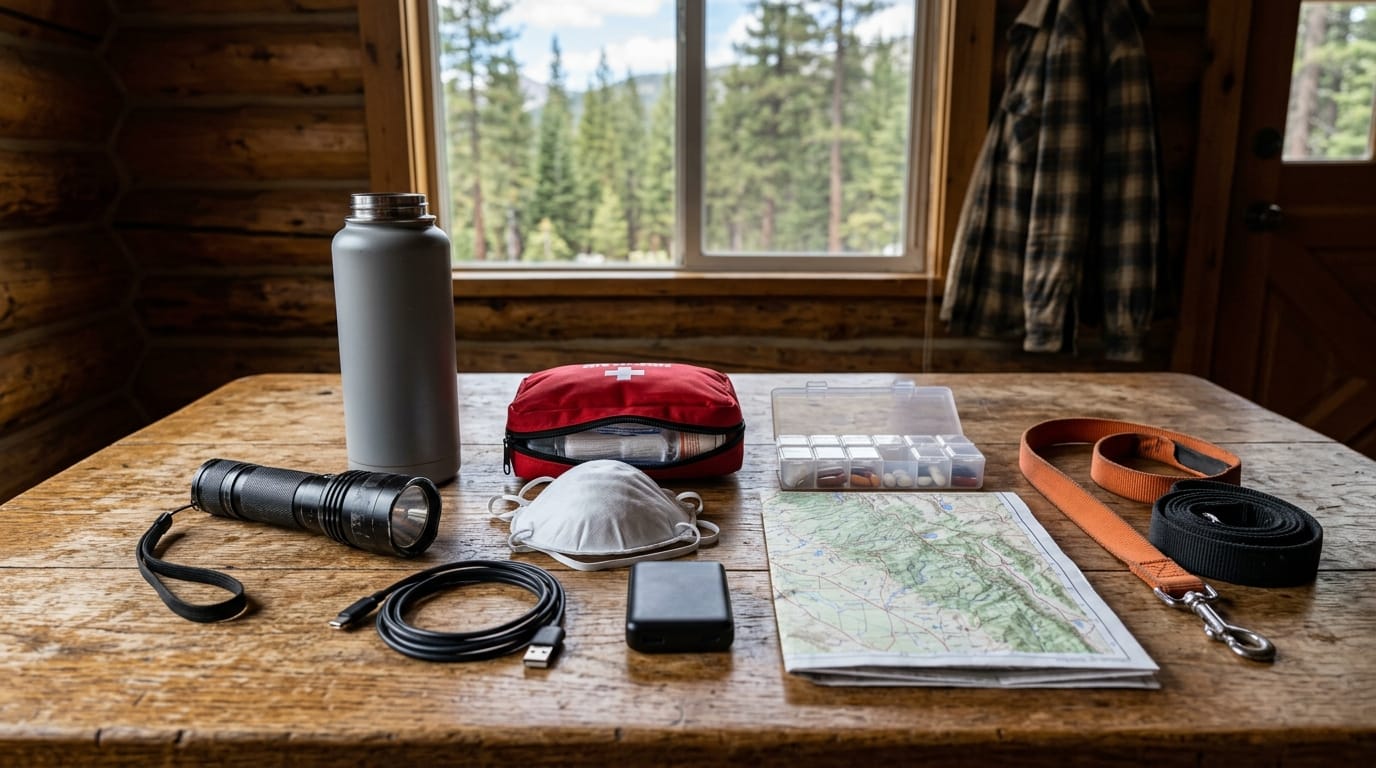
A practical go bag may include water, snacks, medications, copies of important documents, phone chargers, flashlight, batteries, first aid items, N95 masks, cash, pet supplies, extra glasses, clothing, and a printed map. Families should also agree on where to meet, how to contact each other, and which route options they will check first.
Visitors should not assume a phone map will solve everything. Signal can weaken in mountain areas, and a route that looks open online may still require official confirmation. This is especially important for people driving through passes or planning remote recreation days.
Pets, older adults, and kids need a separate plan
Wildfire readiness becomes more complicated when a group includes children, older adults, pets, or people with breathing concerns. Smoke, heat, stress, and long drives can affect them faster. A plan should include medications, comfort items, carriers, leashes, water, snacks, and backup lodging ideas.
Pet owners should keep vaccination records, ID tags, food, bowls, and carriers ready. Families with young children should pack extra clothing, simple food, and chargers. Anyone traveling with older relatives should check air quality before committing to outdoor plans.
How Visitors Can Plan Safer Alpine County Trips During Fire Season
Visitors play a major role in Alpine County wildfire readiness 2026. A person coming for a scenic drive, fishing weekend, hiking trip, cycling event, lake day, or cabin stay should check more than the weather. Fire risk, smoke, road work, closures, and local advisories can change the entire trip.
Good visitors do not treat Alpine County like a city park with endless backup services. They arrive prepared, respect closures, pack out trash, avoid careless fire behavior, and keep their plans flexible. This protects both the visitor experience and the communities people came to enjoy.
Before traveling, check road conditions, fire restrictions, air quality, forecast changes, and official local updates. Also choose one main destination instead of forcing a long list of stops. Alpine County works best when travelers slow down and give the mountains room to be unpredictable.
Smoke planning should be part of every summer itinerary
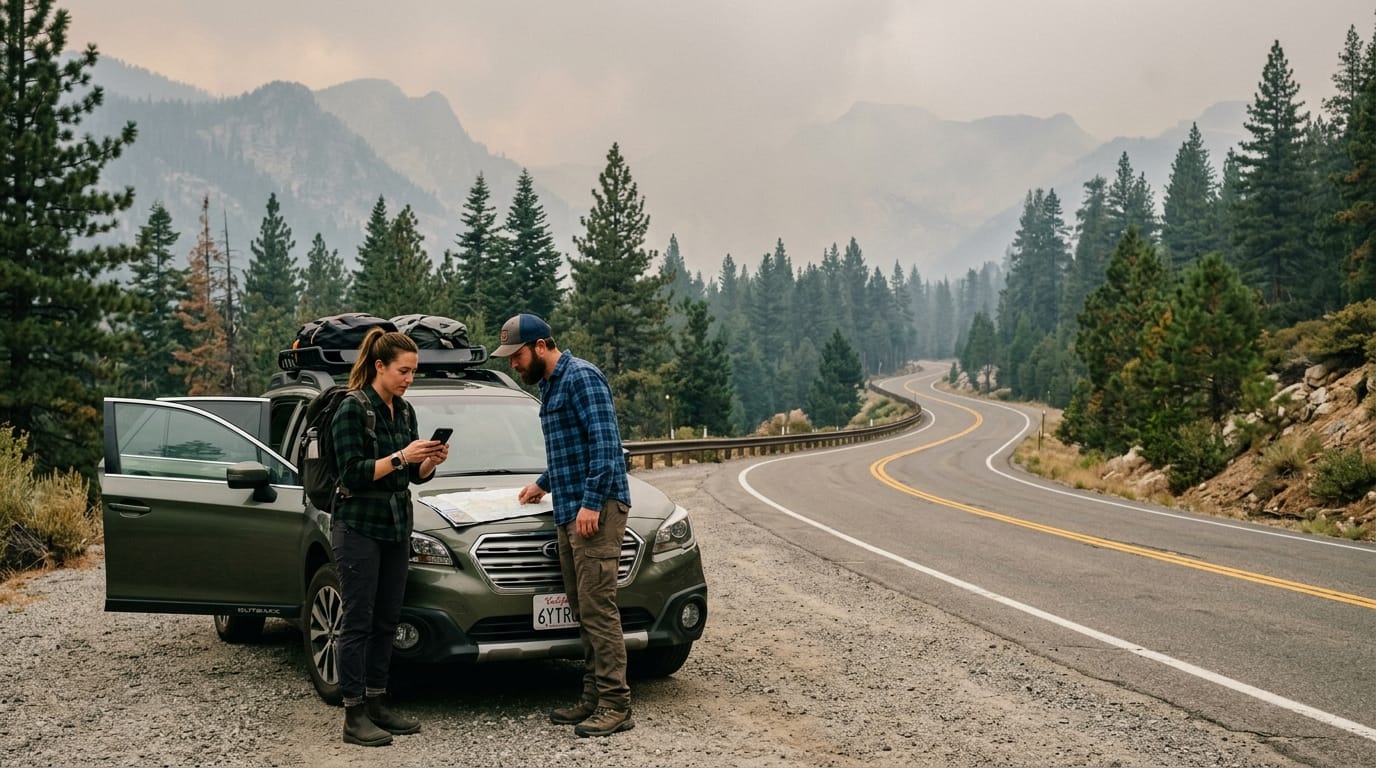
Wildfire smoke can affect a trip even when the fire is far away. Smoke may move with wind, terrain, and weather patterns. One valley can look clear while another feels hazy. A scenic overlook may be beautiful in the morning and smoky by afternoon.
Travelers should check air quality before leaving and again during the trip. If conditions worsen, adjust the plan. Choose indoor breaks, shorter walks, lower-exertion activities, or a different destination. People with asthma, heart conditions, pregnancy, young children, or older family members should be extra cautious.
Your site already has a strong support article on Alpine County wildfire smoke travel. This new article should link to it because smoke planning is one of the most practical visitor safety topics for summer.
Scenic drives still need condition checks
Alpine County scenic drives are a major reason people visit. However, mountain roads require discipline during wildfire season. Smoke can reduce visibility. Emergency vehicles may need access. Road crews may close or limit travel. A detour can add more time than expected.
Travelers planning high-country routes should read related guides like Monitor Pass Spring Driving Guide 2026 and Ebbetts Pass Spring Reopening 2026. Even after spring, these routes remind readers that Alpine County travel depends on road status, weather, timing, and patience.
Outdoor recreation plans should stay flexible too. A fishing weekend, hike, cycling route, or lake day can change quickly if smoke arrives or fire restrictions tighten. The Alpine County article on outdoor recreation in 2026 supports this message because responsible travel depends on preparation, not just enthusiasm.
Hope Valley, Bear Valley, Lake Alpine, Markleeville, Woodfords, and the county’s scenic roads all benefit when visitors make careful choices. That means no parking in unsafe places, no blocking narrow roads, no dumping ashes or trash, no ignoring signs, and no assuming that “just one quick stop” is harmless.
Wildfire readiness is also a community respect issue. Local residents, emergency crews, road workers, business owners, and volunteers carry the burden when visitors arrive unprepared. A prepared traveler reduces that pressure. They check conditions, follow posted rules, and leave early when conditions do not support the trip.
Alpine County wildfire readiness 2026 should be simple, practical, and repeated often. Clear defensible space. Pack a go bag. Watch smoke. Check roads. Respect fire restrictions. Keep pets and vulnerable family members in mind. Have backup plans. These steps do not remove every risk, but they reduce preventable mistakes.
The best Alpine County trips happen when people understand the place they are visiting. This is a small Sierra county with big natural beauty and real mountain conditions. Treat it with care, and the experience becomes safer for everyone.
For readers, the bottom line is direct: wildfire readiness is not fear. It is respect for the landscape. It helps homes, protects visitors, supports local communities, and keeps Alpine County’s mountain experience stronger through a challenging 2026 season.